
lameness in horse

Case Study: Equine Stifle and SI Lameness

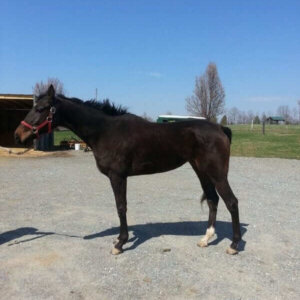
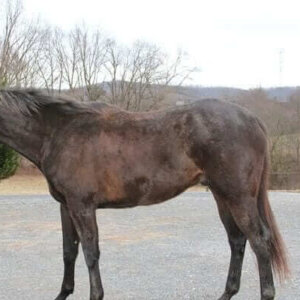
Lameness in the horse can come in all different forms and severities.  One common source of lameness is the stifle but in many of these cases, it is also common to have problems either higher up or lower in the limb often tied in with conformational flaws or even trauma.  The saccroiliac region in the lower back or hip region is also a common source of discomfort, either alone or in conjunction with other problems.  The saccroiliac (S/I) joint is the area where the pelvic bone called the Ileum joins up to the Saccrum of the lower back.  The junction of the two is actually termed a joint, being held together by tough fibrous tissue, but still demonstrates some movement as the horse travels.  In a recent case presented for rehabilitation, we actually had apparent S/I problems in addition to chronic stifle lameness. When combined with unhealthy feet, severe thrush and sole pain, the case proved to be a real challenge.

Case Study: Equine Stifle and SI Lameness Read More »

Why is my horse always lame? Solving the Mystery

One of the most common problems in the equine athlete and pleasure horse is recurring lameness, which can be equally frustrating for owner, rider and veterinarian.  At one moment, the issue may seem resolved, bringing relief, but then it may recur or maybe even a new problem develops. Being a veterinarian, horse owner and involved in the rehabiliation of horses, I understand the frustration but have come to realize that there is much to discover, learn and reveal when it comes to seeing the ‘entire’ horse in these situations. More often than not, the primary problem the horse is presented for is actually not the main issue, but in order to see the true problem, we need to step back and look at several factors. Despite us wanting to fix everything in one fail swoop, often the issue is more complex than we would like it to be.

Why is my horse always lame? Solving the Mystery Read More »

Easy Keepers, Metabolic Syndrome and Lameness; What is the Connection?

Easy keepers.  Most horse owners know what this term means almost instantaneously when they hear it.  In general terms, it refers to a horse that has a tendency to carry more weight and gain weight easily, often with just the sight of a green pasture.  Almost any horse can be an easy keeper, but there are certain breeds that are more prone including Quarter Horses, Pony breeds, draft breeds and even some warmbloods.  Many of these easy keepers progress to metabolic syndrome and even insulin resistance over time, each a stage of continued deterioration at a cellular level.  In many situations, these same horses tend to have concurrent lameness issues ranging from joint degeneration to tendon issues and laminitis, but also many also seemed more prone to allergies, respiratory problems and even eye issues.  What is the connection and why do many standard therapies fail to provide relief for this particular group of horses?

Easy Keepers, Metabolic Syndrome and Lameness; What is the Connection? Read More »