

metabolic syndrome

Metabolic Syndrome and Insulin Resistance in the Horse; New Therapy Options

Equine metabolic syndrome and insulin resistance is an ongoing epidemic in current times.  Although the case load is very high, as is the morbidity rate, options for better management are not keeping up with nor offering improved outcomes for the horse.  Laminitis and chronic foot ailments

Metabolic Syndrome and Insulin Resistance in the Horse; New Therapy Options Read More »

iStock_000009288114Small - Copy - Copy.jpg

A Deeper Look at Metabolic Syndrome, Insulin Resistance and Diabetes

Metabolic syndrome is a name applied to a collective group of risk factors that raise the risk of other health conditions.  In humans, we see a rise in the risk of heart disease, stroke, diabetes, vascular disorders, neurodegenerative conditions and many others.  In horses, we generally see an increased risk for insulin resistance, Cushing’s disease and laminitis. The term ‘metabolic’ actually implies an alteration in cellular metabolism or biochemical processes, but is often quickly associated with a state of increased body weight or obesity.  The syndrome is actually complex, involving many pathways, but as with other conditions, with a more indepth understanding comes better management.

A Deeper Look at Metabolic Syndrome, Insulin Resistance and Diabetes Read More »

Top 5 Equine Conditions that Benefit from Cur-OST

The horse is a complex creature, subject to many of the same constraints that we put on ourselves, which in the end impacts their health and performance. Each horse is unique in their personality and constitution, which plays a major role in the exact contributors to their particular health and lameness concerns.  Diet, environment, stress, conformation and other influences each play a part, but in most health conditions, we do have one common denominator, which is inflammation.  In most, the inflammatory response is over expressed and if efforts are put into the equation to balance that response, then health and soundness can be easier to obtain.

Top 5 Equine Conditions that Benefit from Cur-OST Read More »

Leaky Gut Syndrome; Health & Soundness

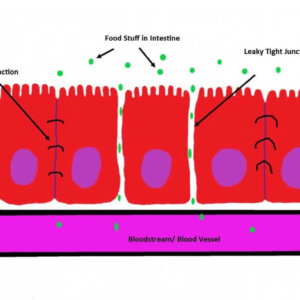
The ‘gut’.  Homebase to the immune system, source of digestion and nutrient assimilation.  We all know how an upset or disagreeing stomach can drain us of our energy, vitality and overall zeal for certain functions, but did you know that the gut may actually be involved with many clinical diseases and even impact joints, soundness and allergies?  It’s true and something we have lightly investigated in a clinical study with horses.  The connections have been known for a long time in human research data and there are indications in the equine industry as well, but all to often, we fail to recognize the problem or address it properly.

Leaky Gut Syndrome; Health & Soundness Read More »

Easy Keepers, Metabolic Syndrome and Lameness; What is the Connection?

Easy keepers.  Most horse owners know what this term means almost instantaneously when they hear it.  In general terms, it refers to a horse that has a tendency to carry more weight and gain weight easily, often with just the sight of a green pasture.  Almost any horse can be an easy keeper, but there are certain breeds that are more prone including Quarter Horses, Pony breeds, draft breeds and even some warmbloods.  Many of these easy keepers progress to metabolic syndrome and even insulin resistance over time, each a stage of continued deterioration at a cellular level.  In many situations, these same horses tend to have concurrent lameness issues ranging from joint degeneration to tendon issues and laminitis, but also many also seemed more prone to allergies, respiratory problems and even eye issues.  What is the connection and why do many standard therapies fail to provide relief for this particular group of horses?

Easy Keepers, Metabolic Syndrome and Lameness; What is the Connection? Read More »