
nutrition

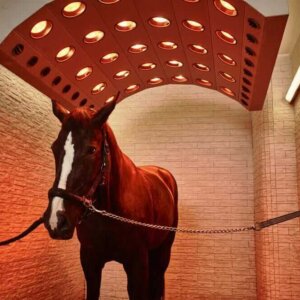
Equine Sports Injury Management For Optimal Outcomes

Sports related injuries are common in equine competitions and training.  They are expected to occur and are likely, due to the extreme stress placed upon joints and other supporting structures, often exceeding normal limitations.  The injuries can be a short term nuisance or many prove to be long term, career ending problems that drag on for years.  How we approach these injuries from both a preventative and therapeutic perspective can dictate the outcome and often improve our odds of success.  In order to understand the options before us, we have to understand what is taking place within that animal.

Equine Sports Injury Management For Optimal Outcomes Read More »

Why Is My Horse Fat? A Guide to Equine Body Condition.

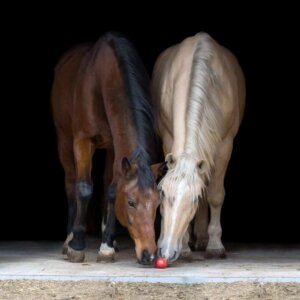
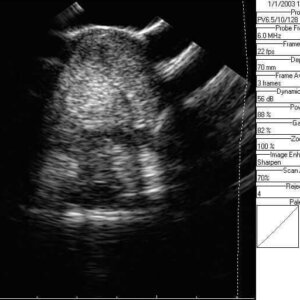
Why is my horse fat?  That’s a good question and one that I was asked routinely during annual preventative wellness checks on my patients.  It is also a question that I get asked in emails all too frequently.  I think it is a good question and for those that ask the question, it is a sign that they recognize that a problem exists, thus opening door for correction.  An overweight horse is not a sign of good health and over time, can lead to significant health problems and increased morbidity, not to mention mortality for some.  Seeing that the problem is present is the first step, but taking the following steps to conquer the issue at hand means that we must understand some basic concepts.  

Why Is My Horse Fat? A Guide to Equine Body Condition. Read More »

Assisting the Geriatric Canine Patient

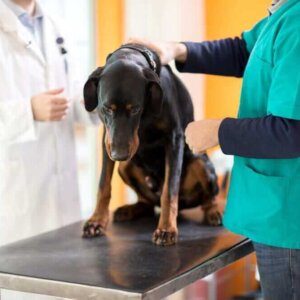
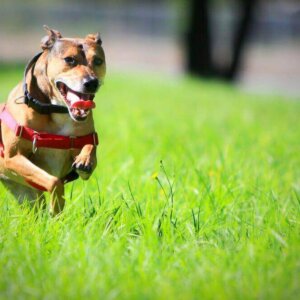
We all age, including our canine companions.  The goal is to age gracefully.  Quality of life is far more important than quantity of life, although both would be ideal, right?  Is it possible to improve not only quality but also longevity?  The answer to this is yes, but the right approach needs to be taken, making it more of a lifestyle than a passing fad or just a regimen. Our canine pets depend on us to make the right choices.  The more understanding we have, the more informed we are in the choices we make.

Assisting the Geriatric Canine Patient Read More »

IMG_0089.JPG

Growing a Solid Equine Hoof; Nutrition & Balance

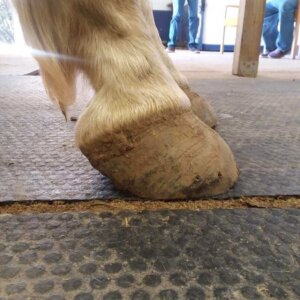
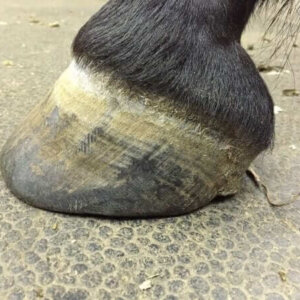
As the goes, ‘no hoof, no horse’.  There is another saying that goes along the lines of “a horse has 5 hearts”, which implies that not only do we have the normal heart, pumping blood, but each foot is actually a heart in function, also responsible for pumping blood up and out of the limb and back to the heart. The only way that this can be done is through proper hoof health and balance. The horse cannot ambulate on 3 legs, at least for a prolonged period of time, as compared to a dog or even a cat, so even a minor issue involving the foot can resonate throughout the body.  They are dependent on proper hoof health and balance, not only from a lameness point of view, but also overall health.

Growing a Solid Equine Hoof; Nutrition & Balance Read More »