

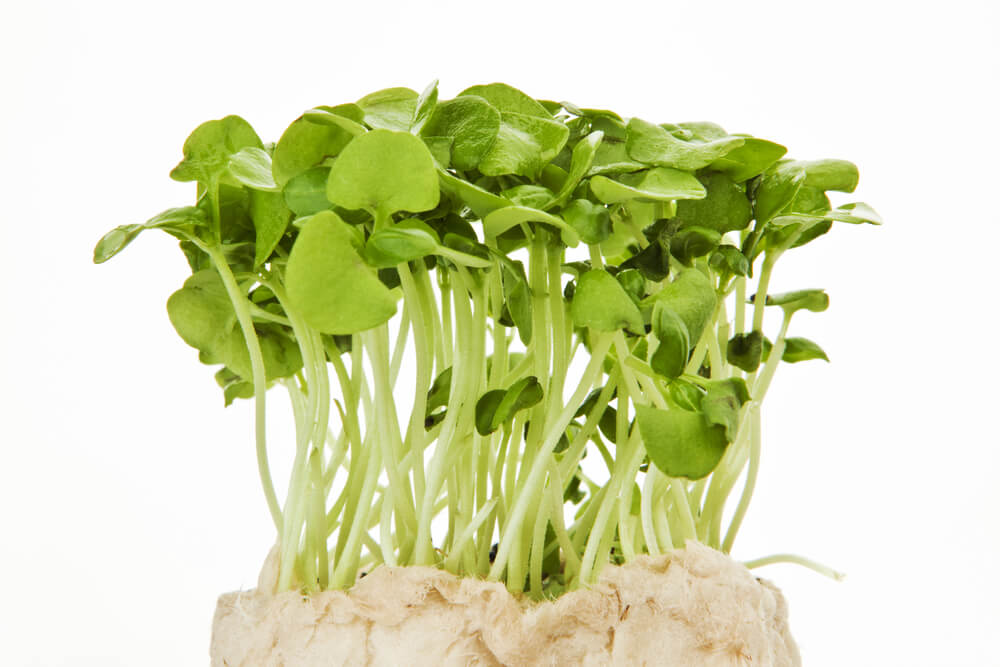
When it comes to health in your horse, two things are very important, which are digestive health and nutrition. These two items can go a long way in regard to healing an injury or even improving performance or immune health. Whole foods, especially in concentrated herb form, can be a real asset to any equine feed or supplement regimen, providing not just whole food nutrients, but other beneficial properties that extend to the entire horse. Let’s take a look at our top five whole food herbal ingredients.
Two of the key factors that I address in most of my equine consultations are digestive health and nutrition in the horse. In most of the cases, nutrition is being delivered via a poor-quality forage, combined with no pasture time and the horse is being fed a commercial vitamin-mineral supplement or ration balancer. This is considered ‘nutrition’ by most of the owners as this is considered ‘nutrition’ by their consulting veterinarians or nutritionists. The fact of the matter is that this is not nutrition. Nutrition comes from food, not a synthetic based granular supplement.
Why choose whole foods for your horse?
For starters, whole foods are vital sources of vitamins, minerals, protein, fats, and carbohydrates which are generally complex in nature and low-glycemic. This means they will not hurt but more than likely help a metabolic condition in the horse.
Additionally, these foods are full of various fibers and lignans, both soluble and insoluble, which can dramatically impact digestive health, reduce blood sugar, improve cardiovascular health, immune health, reduce inflammation, and improve insulin function. Then, as the icing on the cake, these whole foods generally contain within them various phytochemicals which can also directly impact digestive health, inflammation, circulation, insulin function, immune health, and even cancer.
People do not recover from cardiovascular disease and diabetes by taking a tablet or capsule full of synthetic nutrients. They recover by changing their diet to whole foods and plenty of them, along with exercise. Comparing whole foods with a synthetic-based ration balancer or a vitamin-mineral supplement is like comparing apples to oranges, or more truthfully, like comparing an apple to a hard candy treat.
Here is an article on whole foods versus processed foods and supplements.
The Top Five Whole Food Herbs for the Horse
If I cannot convince an owner to improve the quality of the forage being fed to their horse, or they cannot afford it or cannot acquire the forage, then it is time to add in whole foods, usually in their herb or powdered form. Even some horses that are being fed a high-quality forage such as alfalfa or an alfalfa mix can still benefit from the addition of whole food herbs for various reasons.
As a caveat, before diving into this list, most of these herbs can be supplemented at a starting dose of 2 tbsp per day, then increasing, dependent upon the effect and the desired result. It is always wise to monitor the horse’s feces, making sure loose stools do not develop, which would be an indication that digestive health or the digestive fire could use a boost.
All of these whole foods are ‘cooling’ in nature, which means they help to quench inflammation but also cool the body down in times of excess internal or external heat. Given they are cooling, they can be a problem for some horses with weakened digestion, so again, monitor the feces and add the appropriate digestive formula, such as Cur-OST EQ Tri-GUT or one of the Secondvet Gut Blends to the regimen.
Additionally, all of these whole foods are vital sources of nutrition, some more than others. It is difficult to readily convey the precise nutritional value of each, as to me they are all vital sources. From my perspective, I choose the food based on the problem being presented, so I personally look at the ‘medicinal value’ of the herbs, more so than the nutritional value. Nutritional value is a given.
Let’s dive into them and look at each specifically. All of these herbs are available through the Cur-OST Bulk Ingredients.
- Alfalfa Herb Powder – this herb is at the top of my list and in most cases, I prefer that the horse consume this incredible food via the forage, but when alfalfa forage is not available, we will supplement with the powder. Alfalfa is full of nutritional value and protein, which can benefit tendons, ligaments, joints, hooves, eyes, and many other parts of the equine anatomy. From a medicinal point of view, it can help to dry up dampness or fluid accumulations, ease loose stools, and help to detoxify the body of the horse.
- Barley Grass Powder – this is another powerful green herb or whole food with incredible potential, packed full of nutrition, protein, and fiber. I view this herb or whole food as being valuable when trying to heal an injury or when bad feet are present with poor growth. It can dramatically impact digestive health but also has benefits which can impact mood in the horse, helping to reduce anxiety through GABA like chemicals present in the food.
- Mung Bean – another herb which is top of my list for many horses. Mung bean supports kidney and liver function, helping to improve digestive health through inherent nutritional and fiber value, but helps to rebuild the body as well, which is related to the “yin” factor of TCM. If a horse is already on a high-quality forage, yet demonstrates dryness in the body and feces, then I will add Mung Bean first and see how they respond. This bean is generally well tolerated and does not normally create gassiness or digestive upset, compared to other beans.
- Spirulina blue-green algae– this is a very interesting herb, if we want to call it that, but in truth it is a living alga which is packed full of nutrition and phytochemicals. Spirulina compares to something like barley or green spinach in regard to nutrition, but spirulina has added benefits in regard to general detoxification of the body in the horse. One issue with spirulina is that it is very cooling, almost cold in nature, and some horses will have digestive issues or loose stools, if this herb is not combined with others. Spirulina is generally beneficial to those hot natured horses or some anhidrotic horses which have high internal heat and an issue sweating.
- Green Spinach – this whole food is likely at the top of my list as it is packed full of nutrition and protein. Additionally, green spinach is one of the highest sources of dietary nitrates, which help to support circulation, tissue health, and performance in the horse. In fact, we combine green spinach with barley grass powder and beet root in our Cur-OST EQ Nitric Boost for this very reason. All three are incredible sources of nitrates, not to mention nutrition.
Many, if not all of these whole food suggestions are used in our Cur-OST formulas, including the ever-popular Cur-OST EQ Total Support.
So, there you have it! Five incredible sources of whole food dietary nutrition for your horse. In most instances, they can be added to any regimen or when used properly, can eliminate the need for your ration balancers or synthetic-based vitamin-mineral supplements.
Want to learn more??? Check out our book, “Herbs and Whole Foods in the Horse“.
Author: Tom Schell, D.V.M, CVCH, CHN
Alfalfa is NOT a cooling herb at all. It makes horses hot. This has been a matter of controversy over time – the bottom line is that ALfalfa does not have fiber”, its fiber is a lignan that is very difficult for hroeses hindguts to digest and causes the horse to be hot because of it. I have first hand experience in this with my own horse. ALfalfa is for cattle who are rumminants and have the ability to break down the alfalfa. ALfalfa can be ok for horses in very small amounts for therapeutic purposes for shorter periods of time but not long term. Horses have small stomachs for their size; hence why they browse continuously and do not do well on only three or even two large meals per day. The stomach and small intestine can break down some food, but most of the fiber is digested in the hindgut and that is where the horse derives the most energy from. Do not feed alfalfa to your horse
Hi Ingrid, I am sorry for your experience with alfalfa and your horses. I have seen what you are describing many times, but it is not the fault of the alfalfa, but more a sign of a problem in the horse. Alfalfa, based on TCM, is considered neutral-cooling, and has many other health benefits aside from nutrition, including detoxification of the body. Alfalfa is used in women with post-menopausal symptoms, along with other legumes including red clover, which produces results due to the ‘cooling’ aspects and phytoestrogens present in the herb or food. This is a ‘yin’ benefit, which implies moisturizing, cooling and nourishing. Alfalfa is considered the ‘God Father’ of foods in many cultures. While alfalfa is used in cows, it is also used in horses. When a horse reacts and becomes ‘hot’, this signifies a problem in the gut and inability to handle or ferment those proteins properly. This is easily demonstrated by a fecal culture to evaluate the microbiome. You can learn more on http://www.secondvet.com. Here is an article on alfalfa that goes into more detail. https://secondvet.com/alfalfa-equine-allergies-digestion/. Alfalfa is a food choice that we have used extensively in horses over the years from metabolic types to ulcer prone OTTB’s. Get the gut fixed and the alfalfa can reveal it’s benefits. Thank you. Tom Schell, D.V.M.
Great response, Tom! If a horse shows a sensitivity to alfalfa, sainfoin is a great option. It has a similar nutrition profile to alfalfa, though more balanced phosphorus/calcium, and a slower rate of digestion because of the slightly higher tannin profile. Horses who get “hot” or gassy on alfalfa do really well on sainfoin.
Can you feed organic baby spinach that is sold in grocery stores to your horses?
Which one of the Whole Foods or your products is good for a horse who has had pico water syndrome for 20 years. I have tried one of the custom gut products that did not alleviate his water.
I have had my horse on Cur-OST Total Support since February, while eliminating all other supplements and medications. The results were seen within five days! Amazing how this has helped my mare. My farrier was blown away at her recovery from Cushings and her metabolic problem. I added the metabolic product and by early April she was running and bucking like a youngster. Thank you, Dr. Schell! ❤️🙏