

The aging process and associated decline in health impacts the horse, dog, and cat just as much as it impacts us as humans. It is an interesting process when you truly look at it and while most would state that the process is inevitable and cannot be impacted, this is likely not true based upon science and research. In truth, most health problems in the horse, dog, and cat are strongly associated with this process of aging, and despite our lack of understanding, the process can be modified, slowed down, and even reversed in some cases.
A recent research article in the Journal of the American Veterinary Medical Association caught my eye recently, entitled “Aging is modifiable: Current perspectives on healthy aging in companion dogs and cats.” (Moniot, 2026) The information contained within the research article is not ‘new’ at least to me and others current on clinical research, but it was nice to see that someone put it all together in an article stating the obvious, which is that the aging process can be altered in its course. Now, the question is, are we paying attention?
In the many interactions that I have with horse owners, as well as those with dogs and cats, there are many health complaints including painful conditions like arthritis, to other more serious health ailments including metabolic syndrome, diabetes, allergies, and even cancer. Now, while these conditions for most owners are seen as separate events and of primary concern, in truth, they are linked to the aging process inside of the animal, which is often being accelerated on many levels. Most owners do not see this link or connection to the aging process, but yet it is there.
In the medical world, we have known for a long time now that those people, pets, and horses that age are more predisposed to certain health ailments. This includes not just osteoarthritis, but deterioration of body condition and muscle mass, cognitive and mental debilitation, and various immune related problems from allergies to infections, to cancer. This is termed immunosenescence or a gradual decline in the overall immune response, associated with the aging process. This ‘problem’ is present in humans and all animal species, including the horse, dogs, and cats. Again, for the longest time, we have believed this process to be definite with no opportunities to intervene. Research tells us different.
The aging process has been defined as a ‘universal, irreversible, continuous, intrinsic, deleterious process that manifests itself in the form of gradual physiological decline with age that causes an increase in mortality.’ Three universal components have been noted associated with aging which include a depletion of limited body reserves, an alteration in physiological processes and response to stressors, and an impaired cellular response to maintain and repair which results in the accumulation of cellular damage. (Moniot, 2026)
It is interesting, at least to me, to note the connection between these recent discoveries and definitions, and those that have been long held as simple truths in Ayurvedic and Chinese Medicine. It seems that thousands of years ago, the healers were well aware of what was happening and knew how to intervene with diet, herbs, and lifestyle, but just lacked the science which told them what they already knew. Today, we seem to require all sorts of science and research to ‘prove or disprove’ something which has been known for centuries. Aging is a process, impacting all of us, and in more recent times our science is telling us that it is modifiable, but they knew that a thousand years ago.
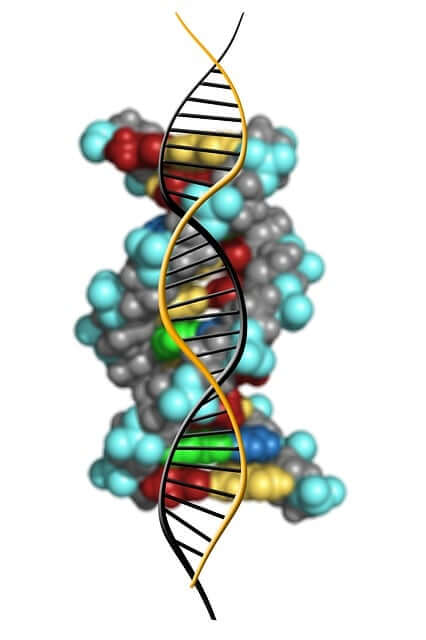
The simple concept of ‘depletion of body reserves along with inability of the body to handle stressors‘ takes us to the discussion about the concepts of ‘Yin’ in Traditional Chinese Medicine (TCM) or ‘Ojas’ in Ayurvedic medicine. Most importantly, at least in TCM, this impacts the kidney and Yin, which interestingly enough in their philosophy, also involves the concept of ‘Jing’, which revolves around cellular DNA, damage and repair. On a scientific level, this involves the concept of chronic inflammation, oxidative stress, and damage within the body on many levels, including DNA, genetic material and mitochondrial dysfunction. These points have been made in research for some time, but only in recent times are we starting to put the pieces of the puzzle together.
How Is Aging in the Horse, Dog, or Cat Modifiable?
The process of aging and cellular decline in all species is inevitable, just like a car or house is destined to age and deteriorate. However, with proper care and attention, the process itself can be slowed down, improved, and even reversed. The first step in accomplishing this feat is to recognize that you can intervene and that the process can be altered.
It is important to keep in mind that every choice you make for yourself, your horse, or your pet impacts their well-being, which essentially impacts cellular function and the aging process. We can have a young horse or companion pet with a multitude of health issues, but in truth they originate more times than not from the choices we are making for them. It is the aging process, despite their ‘young’ chronological age, and this is evident in the world of veterinary and human medicine with the rapid increase in cancer in the younger population. Cancer is directly linked to immune function and thus, once upon a time, generally associated with the older population. Not so much anymore simply because of the choices we are making regarding lifestyle, diet, exercise, and many other modifiable factors. We are simply accelerating the process of aging and cellular decline through our choices.
To intervene in the process of aging and the associated decline in health in the horse and companion pet, we must alter the factors that are creating instability and accelerating the process, which include those mentioned just prior. In some cases, the factors have been present for a smaller amount of time and despite the damage, the process can be halted and reversed. In other cases, the factors have been present for many years and the damage to the body is extensive, going beyond just one body system, which makes it more challenging and results will be reduced, but not impossible.
From my perspective, as a veterinarian and researcher, the biggest inhibitor to progress in the improvement in health lies within the owner of the animal and either their disbelief that it can be accomplished or their lack of true desire and dedication to make change. It is a personal choice and dependent upon what we believe as people and caretakers of the animals. As we have always told customers and clients, the herbal formula that we may offer is not a solution in and of itself, but a part of a bigger story. It is a lifestyle and a choice.
I recall years ago having a client with advanced cardiovascular disease which was associated with metabolic syndrome and being overweight. His condition was dire and the medicinal options given to him were not helping. He was destined for open heart surgery and a bypass if he did not change his ways. Well, he did. He changed everything including his diet, his lifestyle choices, and even incorporated many herbs into his daily regimen. He made a choice to get out of his chair and go for walks daily, increasing his distance gradually, and altering his health. In the end, he did succeed. He lost weight and all of his cardiac parameters improved dramatically. No medications, just a choice with a sense of knowing that needed to be done. This is one out of a hundred type of story, unfortunately.
There is no ‘one thing’ that you can do to enhance your horse’s health, or that of your companion pet. Every herbal formula that we offer at Nouvelle Research or Secondvet is targeting this process on some level, some more targeted than others. Our goal is to improve your horse’s or companion pet’s health, which is through cellular function on many levels from gut health to inflammation and cellular dysfunction. The herbs are well proven not just in historical usage in alternative medicine, but there is not a single herb that we utilize that is not also supported by research to impact these processes in a positive manner. It is just a question of what you are seeking and what you put faith into. Myself, my faith lies in God, and in the herbs and food He has provided, rather than some pharmaceutical which has a laundry list of side effects.
This path of cellular health restoration in the horse, dog, or cat is very possible, but the path is one that is not chosen or publicized often. I encounter many pet and horse owners that are using a list of medications along with prescription diets, simply because they are being told what to do and their veterinarians seem to know no different. They accept what is told to them and look no further. In some cases, it is too late, unfortunately, but for others it is not. The information is readily available, but whether or not you see it, is a choice dependent upon what you are seeking.
Author: Tom Schell, D.V.M, CVCH, CHN