
CurOST

Vitamin E in the Neurological Horse; Maybe More Harm Than Good?

Vitamin E often goes hand in hand with conditions such as EPM (equine protozoal myeloencephalitis) , EDM (equine degenerative myeloencephalopathy), and even PSSM (polysaccharide storage myopathy) in the horse.  This vitamin possess moderate antioxidant capabilities and can render much needed benefits to those horses afflicted with […]

Vitamin E in the Neurological Horse; Maybe More Harm Than Good? Read More »
Thrush, Solar Abscesses and Bruises; A Pain in the Foot

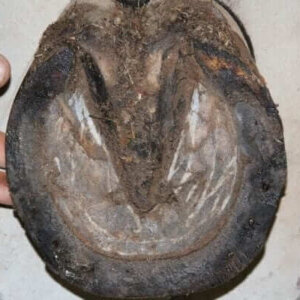
The equine foot is one of the most common sources of lameness, often contributing up to 80% in most cases.  Many times, the pain originates in the foot then transfering up the limb to create secondary lameness concerns.  Three of the most common sources of frustration and lameness in the foot are abscesses, bruises and thrush, not excluding white line disease.  They are very common but continue to plague many horses on a daily basis, proving difficult to remedy at times.  As with most cases, with a better understanding of the conditions, we stand a better chance of success in regards to management.

Thrush, Solar Abscesses and Bruises; A Pain in the Foot Read More »

Equine Navicular Syndrome and Heel Pain; New Perspectives

Navicular syndrome is a very common problem in the equine industry, likely impacting 30% or more of horses, dependent on the breed and discipline. We see this condition commonly in the western disciplines but also to varying degrees in other sports, including jumping, dressage and even racing. There are many factors that contribute to the problem, which can make it difficult at times to manage.  All too often, though, we tend to wait until the condition has progressed, with irreversible damage, before we properly intervene.  With a better understanding, hopefully we can recognize the condition sooner, see contributing factors and produce better results for the patient in the long term.

Equine Navicular Syndrome and Heel Pain; New Perspectives Read More »

To Breathe Or Not To Breathe; COPD & I.A.D.

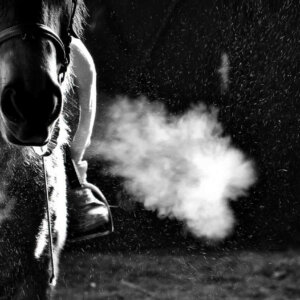
One of the most common equine health conditions impacting the performance horse involves the respiratory tract.  Inhalation of oxygen is vital for energy production and overall cellular health, but in manty equine athletes, they struggle to move air in and out, resulting in decreased performance and quality of life. As horse owners, we rely on pharmaceutical medications such as steroids and bronchodilators, but despite their use, we continue to struggle to gain results and improve life for our equine companions.

To Breathe Or Not To Breathe; COPD & I.A.D. Read More »

IMG00645.jpg

Disease; Cause or Effect, Acquired or Created

Happiness and an end to suffering.  That is the goal for almost all of mankind.  We want it, crave it and desire it on many levels.  Disease occurs on many levels and impacts all of us either directly or indirectly.  The perception of that disease, whether if it affects us our pets or our horses, can vary from person to person.  One may say it is acquired or there is a genetic predisposition to that condition.  On the other side of the coin, another person may say the disease is a reflection of our environment, diet and other factors…essentially implying we created it.  It is all relative, in my opinion, but one thing is for certain and that is that with a complete understanding of what is occurring, we stand a better chance of prevention as well as management.

Disease; Cause or Effect, Acquired or Created Read More »

Why is my horse always lame? Solving the Mystery

One of the most common problems in the equine athlete and pleasure horse is recurring lameness, which can be equally frustrating for owner, rider and veterinarian.  At one moment, the issue may seem resolved, bringing relief, but then it may recur or maybe even a new problem develops. Being a veterinarian, horse owner and involved in the rehabiliation of horses, I understand the frustration but have come to realize that there is much to discover, learn and reveal when it comes to seeing the ‘entire’ horse in these situations. More often than not, the primary problem the horse is presented for is actually not the main issue, but in order to see the true problem, we need to step back and look at several factors. Despite us wanting to fix everything in one fail swoop, often the issue is more complex than we would like it to be.

Why is my horse always lame? Solving the Mystery Read More »

Equine Tendon & Ligament Injury Management

Tendons and ligaments literally hold us together, as well as our pets and equine companions.  They hold joints together and allow us the flexibility to move in many directions, often taking the impact of many stressful events through their ‘stretching’ ability.  Tendons are off shoots of muscles, connecting the muscle to the bone.  Ligaments are fibrous connections between bones and often bridge joints, helping to provide stability to that region. These structures are important for many reasons, but damage can occur often due of over-straining, leading to months of recovery and in some cases prolonged debilitation…but there are solutions!

Equine Tendon & Ligament Injury Management Read More »