
equine

The Equine Diet and Picky Eaters; Thoughts and Concerns

One of my major concerns, as a veterinarian and researcher, is the inflammatory process and how it can dictate health and soundness.  This process is complex, involving many contributors, but diet is a major player.  As we investigate further the impact of gastrointestinal health on overall health and soundness, certain things begin to fall into place and become more obvious. The first item is diet, what we are feeding and how we define this. The second item of concern is the picky eater, which more than likely we have all encountered at one time or another.  Many owners feel this ‘pickiness’ is often ‘cute’ or a trait for a particular horse….but is there more to it?  Is this actually a symptom or sign of something larger?

The Equine Diet and Picky Eaters; Thoughts and Concerns Read More »
To Breathe Or Not To Breathe; COPD & I.A.D.

One of the most common equine health conditions impacting the performance horse involves the respiratory tract.  Inhalation of oxygen is vital for energy production and overall cellular health, but in manty equine athletes, they struggle to move air in and out, resulting in decreased performance and quality of life. As horse owners, we rely on pharmaceutical medications such as steroids and bronchodilators, but despite their use, we continue to struggle to gain results and improve life for our equine companions.

To Breathe Or Not To Breathe; COPD & I.A.D. Read More »

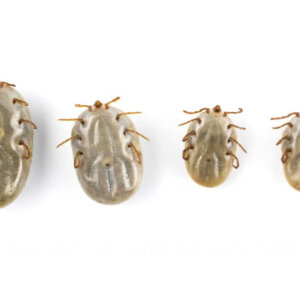
Lyme, Anaplasmosis, EPM in the Horse: Relapses, Thoughts and Theories

The opposite of health is disease and in the horse, we have many chronic and likewise frustrating health conditions.  Many include lameness as a result of direct joint or soft tissue damage, which continue to inflict pain and lameness on the patient as a normal course of the condition.  In other cases, we deal with the increasing incidence of Lyme disease, Anaplasmosis and EPM, which in an of themselves can be frustrating due to the often high recurrence rate in certain patient groups.  Given this group of chronic diseases, which often come with hefty ongoing medical costs and variable outcomes, we need to step back and really evaluate the conditions and how the patient is responding if we are to come up with better solutions.

Lyme, Anaplasmosis, EPM in the Horse: Relapses, Thoughts and Theories Read More »

Top 5 Equine Conditions that Benefit from Cur-OST

The horse is a complex creature, subject to many of the same constraints that we put on ourselves, which in the end impacts their health and performance. Each horse is unique in their personality and constitution, which plays a major role in the exact contributors to their particular health and lameness concerns.  Diet, environment, stress, conformation and other influences each play a part, but in most health conditions, we do have one common denominator, which is inflammation.  In most, the inflammatory response is over expressed and if efforts are put into the equation to balance that response, then health and soundness can be easier to obtain.

Top 5 Equine Conditions that Benefit from Cur-OST Read More »

Carbohydrates; Intakes & Considerations in the Horse

When we think of carbohydrates, we think sugar and we also think energy, as the two are often interconnected.  We all need energy and our equine companions are no different, thus carbohydrates are an essential part of the diet, but in excess and dependent on the form ingested, problems can develop and impact overall health.  In order to gain a better understanding of carbohydrates and feeding in the horse, we have to understand some basic principles. Utilized properly, carbohydrates can be a useful means of gaining and sustaining energy needs for every horse.

Carbohydrates; Intakes & Considerations in the Horse Read More »

Protein; Intake & Considerations in the Horse

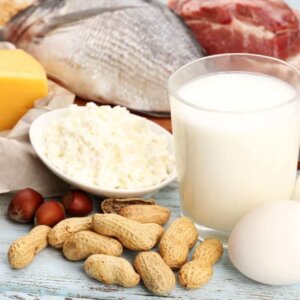
How to feed a horse is one of the most popular questions that I get as a veterinarian.  There are many things to consider, mainly being macro and micro nutrient provisions, which include proteins, fats, vitamins and minerals. Protein is essential for the body in a variety of ways, from building muscle mass to regulation of metabolic function.  How much protein is needed is dependent on each horse and the demands present.  Exact recommendations are hard to make, generally speaking, but in most cases, we have to look at each individual horse, demands, existing health problems and dietary sources.

Protein; Intake & Considerations in the Horse Read More »

Probiotics and Prebiotics in the Horse; Which One is Necessary?

Probiotics are common in today’s equine industry and even human health.  They are heavily marketed for supporting gastrointestinal health on many levels, but are they really needed and are they really beneficial?  There are many types of probiotics promoted in various products, but unfortunately, they are all lumped together and promoted as being beneficial, which can further muddy the waters. So how do we know if we need to use them and if so, what types are most beneficial? The answer to this question lies not only within research but also through clinical experience.  

Probiotics and Prebiotics in the Horse; Which One is Necessary? Read More »

horse cough

Is it allergies or COPD??

Respiratory conditions in the horse are very common, but present in many forms.  As horse owners, you may be familiar with terms including allergies, inflammatory airway disease (IAD) and chronic obstructive pulmonary disease (COPD).  These terms get tossed around quite often and in many cases, despite the final diagnosis, we fail to see the connection between all of them and the possibility that one can progress to another over time.  

Is it allergies or COPD?? Read More »

Headshaking in the Horse; Cause and Management

Headshaking in the horse is a common problem and often affecting up to 30% of patients to variable levels, creating high frustration for the horse owner. The exact cause of this condition can be variable from patient to patient and thus treatment and results can be variable. Headshaking can vary in regards to presentation from simple flaring of the nostrils, flipping of the nose, rubbing the nose, snorting often, sneezing and even variable degrees of overt head shaking. Given the wide range of presentation,potential causes, lack of consistent treatment response and frustration factor for the horse owner, headshaking deserves some investigation for better management options. As is my character, let’s dig into what we know regarding headshaking and see if we can not only make sense of it, but also discover potentials for therapy.

Headshaking in the Horse; Cause and Management Read More »

Tying Up and Rhabdomyolysis in Horses

“Tying Up”, myositis, Monday Morning Disease and azoturia all refer to which is more technically known as Equine Rhabdomyolysis Syndrome in horses. It can be a very common problem in some disciplines and breeds.  The most common breeds involved in the condition include the Quarter Horse, Thoroughbred, Arabian and the draft horses.  In various research papers, tying up has been noted in approximatley 4% of Arabian Endurance horse and up to 10% of racing Throughbreds.  Given the increase in the incidence and possible clinical repercussions of the condition on the performance of the horse, there has been much research trying to unravel the mystery as to what exactly causes the problem.

Tying Up and Rhabdomyolysis in Horses Read More »