
horse

Lyme, Anaplasmosis, EPM in the Horse: Relapses, Thoughts and Theories

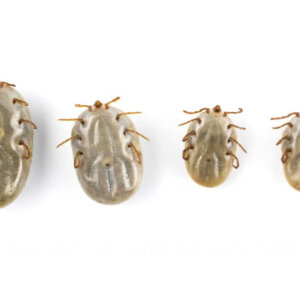
The opposite of health is disease and in the horse, we have many chronic and likewise frustrating health conditions.  Many include lameness as a result of direct joint or soft tissue damage, which continue to inflict pain and lameness on the patient as a normal course of the condition.  In other cases, we deal with the increasing incidence of Lyme disease, Anaplasmosis and EPM, which in an of themselves can be frustrating due to the often high recurrence rate in certain patient groups.  Given this group of chronic diseases, which often come with hefty ongoing medical costs and variable outcomes, we need to step back and really evaluate the conditions and how the patient is responding if we are to come up with better solutions.

Lyme, Anaplasmosis, EPM in the Horse: Relapses, Thoughts and Theories Read More »
Top 5 Equine Conditions that Benefit from Cur-OST

The horse is a complex creature, subject to many of the same constraints that we put on ourselves, which in the end impacts their health and performance. Each horse is unique in their personality and constitution, which plays a major role in the exact contributors to their particular health and lameness concerns.  Diet, environment, stress, conformation and other influences each play a part, but in most health conditions, we do have one common denominator, which is inflammation.  In most, the inflammatory response is over expressed and if efforts are put into the equation to balance that response, then health and soundness can be easier to obtain.

Top 5 Equine Conditions that Benefit from Cur-OST Read More »

IMG00645.jpg

Disease; Cause or Effect, Acquired or Created

Happiness and an end to suffering.  That is the goal for almost all of mankind.  We want it, crave it and desire it on many levels.  Disease occurs on many levels and impacts all of us either directly or indirectly.  The perception of that disease, whether if it affects us our pets or our horses, can vary from person to person.  One may say it is acquired or there is a genetic predisposition to that condition.  On the other side of the coin, another person may say the disease is a reflection of our environment, diet and other factors…essentially implying we created it.  It is all relative, in my opinion, but one thing is for certain and that is that with a complete understanding of what is occurring, we stand a better chance of prevention as well as management.

Disease; Cause or Effect, Acquired or Created Read More »

Carbohydrates; Intakes & Considerations in the Horse

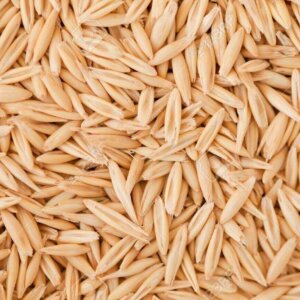
When we think of carbohydrates, we think sugar and we also think energy, as the two are often interconnected.  We all need energy and our equine companions are no different, thus carbohydrates are an essential part of the diet, but in excess and dependent on the form ingested, problems can develop and impact overall health.  In order to gain a better understanding of carbohydrates and feeding in the horse, we have to understand some basic principles. Utilized properly, carbohydrates can be a useful means of gaining and sustaining energy needs for every horse.

Carbohydrates; Intakes & Considerations in the Horse Read More »

Fats; Intake & Considerations in the Horse

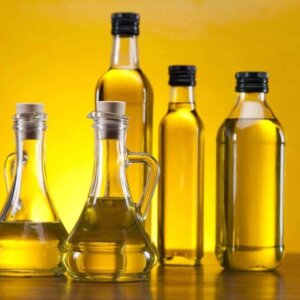
When we think of fats in the horse’s diet, the first few things that come to mind are to improve the shine in a hair coat or to put weight on a horse in need. Although these are both true, there is much more to fats that what meets the eye and thus, a better understanding is needed.  Fats are valuable sources of energy and calories, but there are potentials downfalls as they impact health on many levels, and not every horse is in need.

Fats; Intake & Considerations in the Horse Read More »

Protein; Intake & Considerations in the Horse

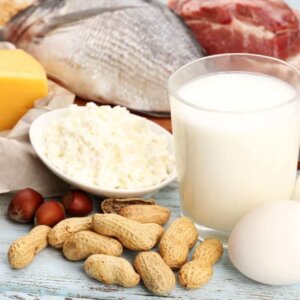
How to feed a horse is one of the most popular questions that I get as a veterinarian.  There are many things to consider, mainly being macro and micro nutrient provisions, which include proteins, fats, vitamins and minerals. Protein is essential for the body in a variety of ways, from building muscle mass to regulation of metabolic function.  How much protein is needed is dependent on each horse and the demands present.  Exact recommendations are hard to make, generally speaking, but in most cases, we have to look at each individual horse, demands, existing health problems and dietary sources.

Protein; Intake & Considerations in the Horse Read More »

Probiotics and Prebiotics in the Horse; Which One is Necessary?

Probiotics are common in today’s equine industry and even human health.  They are heavily marketed for supporting gastrointestinal health on many levels, but are they really needed and are they really beneficial?  There are many types of probiotics promoted in various products, but unfortunately, they are all lumped together and promoted as being beneficial, which can further muddy the waters. So how do we know if we need to use them and if so, what types are most beneficial? The answer to this question lies not only within research but also through clinical experience.  

Probiotics and Prebiotics in the Horse; Which One is Necessary? Read More »

horse cough

Is it allergies or COPD??

Respiratory conditions in the horse are very common, but present in many forms.  As horse owners, you may be familiar with terms including allergies, inflammatory airway disease (IAD) and chronic obstructive pulmonary disease (COPD).  These terms get tossed around quite often and in many cases, despite the final diagnosis, we fail to see the connection between all of them and the possibility that one can progress to another over time.  

Is it allergies or COPD?? Read More »

Joint Dysfunction; Are Injections the Only Solution?

Joint disease is a common manifestation of life, aging and often a result of many contributing factors including conformation, deformities and repetitive overuse.  In horses, joint pain is common not only with aging due to deterioration, but is also present in the younger group secondary to high levels of stress to the areas associated with training and competition.  In all groups, we have an often daily dependence on pain medications, but in horses, this progresses one step further to include repetitive joint injections to help keep the athlete competing. In many respects, we have come to accept these therapies as the only means of management, but are they really helping and is there more that can be done?  Is it also possible that some of these therapies, despite good intentions, may be creating more harm in the end?  With further knowledge, we can understand better and consider different options.

Joint Dysfunction; Are Injections the Only Solution? Read More »

Chronic Obstructive Pulmonary Disease In The Horse

Spring is upon us and with the increase in pollen and other allergens, those horses with prior respiratory allergies can flare, creating a life of misery for them and their owners.  Respiratory conditions impact a large percentage of horses, contributing to health problems ranging from poor performance to complete debilitation.  Chronic obstructive pulmonary disease is one of the most common respiratory conditions affecting the horse, which can be frustrating to manage.  Just like other health conditions, the more we know and the earlier we intervene, often the prognosis is improved and management made easier.

Chronic Obstructive Pulmonary Disease In The Horse Read More »