
horse

Leaky Gut Syndrome; Health & Soundness

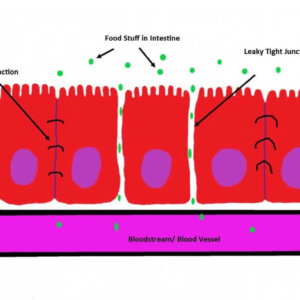
The ‘gut’.  Homebase to the immune system, source of digestion and nutrient assimilation.  We all know how an upset or disagreeing stomach can drain us of our energy, vitality and overall zeal for certain functions, but did you know that the gut may actually be involved with many clinical diseases and even impact joints, soundness and allergies?  It’s true and something we have lightly investigated in a clinical study with horses.  The connections have been known for a long time in human research data and there are indications in the equine industry as well, but all to often, we fail to recognize the problem or address it properly.

Leaky Gut Syndrome; Health & Soundness Read More »
Headshaking in the Horse; Cause and Management

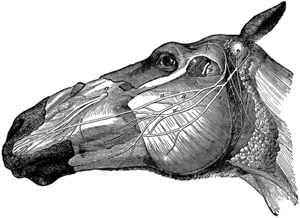
Headshaking in the horse is a common problem and often affecting up to 30% of patients to variable levels, creating high frustration for the horse owner. The exact cause of this condition can be variable from patient to patient and thus treatment and results can be variable. Headshaking can vary in regards to presentation from simple flaring of the nostrils, flipping of the nose, rubbing the nose, snorting often, sneezing and even variable degrees of overt head shaking. Given the wide range of presentation,potential causes, lack of consistent treatment response and frustration factor for the horse owner, headshaking deserves some investigation for better management options. As is my character, let’s dig into what we know regarding headshaking and see if we can not only make sense of it, but also discover potentials for therapy.

Headshaking in the Horse; Cause and Management Read More »

Case Study: Equine Recurrent Uveitis

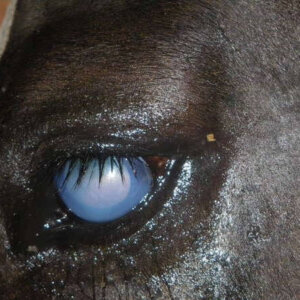
Vision in the horse is a critical factor.  Without it, they are vulnerable to attack in the wild, have a hard time navigating and encounter difficulties in training and competition.  The eye in the horse also tells us a lot in regards to personality and demeanor, often allowing us to see into the spirit of the animal. It is large and obvious, often one of the first things we notice about a horse. Considering the placement of each eye in the horse, as compared to humans or even pets, their range of vision is limited and they are dependent on two functional and healthy eyes.  When the health of the eye is impacted, the health and safety of the horse is likewise compromised.  The equine eye is subject to a variety of conditions including corneal scratches and lacerations, but one of the most debiliating is equine recurrent uveitis or ERU, which is becoming more common place in the equine industry.  What used to be a condition primarily impacting Paint breeds, Appaloosa and even fair skinned Quarter Horses, is now affecting many other breeds.  The exact cause is unknown and despite the best efforts with therapy, these cases can be frustrating and financially draining for the horse owner. Our horses are our companions and given this, it is hard to see them in constant discomfort.  Often, we need to step back and analyze these situations and apply what we have learned from research, to improve comfort and aid in management.

Case Study: Equine Recurrent Uveitis Read More »

Why is my horse always lame? Solving the Mystery

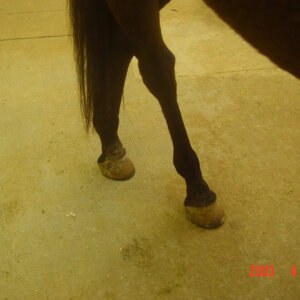
One of the most common problems in the equine athlete and pleasure horse is recurring lameness, which can be equally frustrating for owner, rider and veterinarian.  At one moment, the issue may seem resolved, bringing relief, but then it may recur or maybe even a new problem develops. Being a veterinarian, horse owner and involved in the rehabiliation of horses, I understand the frustration but have come to realize that there is much to discover, learn and reveal when it comes to seeing the ‘entire’ horse in these situations. More often than not, the primary problem the horse is presented for is actually not the main issue, but in order to see the true problem, we need to step back and look at several factors. Despite us wanting to fix everything in one fail swoop, often the issue is more complex than we would like it to be.

Why is my horse always lame? Solving the Mystery Read More »

Easy Keepers, Metabolic Syndrome and Lameness; What is the Connection?

Easy keepers.  Most horse owners know what this term means almost instantaneously when they hear it.  In general terms, it refers to a horse that has a tendency to carry more weight and gain weight easily, often with just the sight of a green pasture.  Almost any horse can be an easy keeper, but there are certain breeds that are more prone including Quarter Horses, Pony breeds, draft breeds and even some warmbloods.  Many of these easy keepers progress to metabolic syndrome and even insulin resistance over time, each a stage of continued deterioration at a cellular level.  In many situations, these same horses tend to have concurrent lameness issues ranging from joint degeneration to tendon issues and laminitis, but also many also seemed more prone to allergies, respiratory problems and even eye issues.  What is the connection and why do many standard therapies fail to provide relief for this particular group of horses?

Easy Keepers, Metabolic Syndrome and Lameness; What is the Connection? Read More »

Immune Support and the Horse

Does your horse have a healthy and strong immune system?  How do you know?  The most common problems we associate with a poorly functioning immune system are recurrent infections and even allergies, but what about other conditions?  Even in the case of infections, we most often attribute a poor immune response to more severe infections that may even result in hospitalization, but are there other clues or more subtle situations that may indicate that we have a problem?  The immune system is complex and involved in more bodily processes than one might just realize.

Immune Support and the Horse Read More »

Nutrition Implications: Fact or Myth

As a veterinarian, I have to confess that after almost 20 years of clinical practice, I failed many of my patients due to lack of knowledge about proper nutrition. Being a student in veterinary school, honestly, there was not much focus on nutrition.  In some courses, there was mention of various nutrients, but not much pressure to use the diet as a tool to aid in disease management and recovery.  The good news is that after all of those years, I did ‘wake up’ and realize the importance and today, my approaches are much different for myself, our pets and those horses that I have contact with on a daily basis.   It wasn’t always this way and I discover more each day, which can be exciting!

Nutrition Implications: Fact or Myth Read More »

Horse and Dog Health; The Impact of Free Radicals and Oxidative Stress

Free radicals are an important entity in chemistry and in health, having been researched for many years with connections to cellular changes that may impact overall health and aging.  A free radical is a molecule that has an unpaired electron in the outer shell, which creates instability and a high rate of reactivity with other molecules.  Free radicals are produced as a normal part of cellular respiration or energy production, but can also be generated as a consequence of environmental factors, stress, poor diet, food additives, medications and genetics.  In general, they can have huge negative impacts on overall health, performance and sustainability, but the good news is that with understanding, we also realize that there are things we can do to minimize the damage inflicted.

Horse and Dog Health; The Impact of Free Radicals and Oxidative Stress Read More »

EPM and the Immune System; A clinical perspective

Do you have a horse or know of one impacted by EPM? Equine Protozoal Myeloencephalitis (EPM) is unfortunately a common disease in the horse, impacting hundreds, if not thousands every year.  The outcomes for each case can vary dramatically, resulting in a huge expenditure for the owner and an uncertain future for the horse.  Give the huge variability in outcomes despite newer treatment options, one is left asking ‘why’ and what more can be done to aid in prevention and therapy to help increase the success rates. Maybe it is time to rethink our approach to these cases in order to maximize the outcome.

EPM and the Immune System; A clinical perspective Read More »

Which Cur-OST formula is right for my horse?

Our Cur-OST® formulas target a healthy inflammation response and were created originally to benefit Dr. Schell’s equine patients, helping to improve overall health, joint mobility, performance and reduce aches & pains. There are many joint and health supplements available for horses, but the goal with our formulas is to first provide natural ingredients and herbs that are effective in their actions and second, provide the highest levels based on research to get those results.  The choices between the Cur-OST® equine formulas may appear confusing but really, there is a strategy for each formula.  The most common question we have is ‘which formula is right for my horse?’.  The answer is not straight forward considering that each horse is an individual, but hopefully we can outline the goals and uses for each formula.

Which Cur-OST formula is right for my horse? Read More »