
lameness

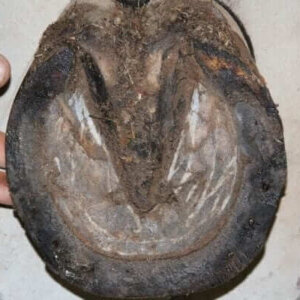
Thrush, Solar Abscesses and Bruises; A Pain in the Foot

The equine foot is one of the most common sources of lameness, often contributing up to 80% in most cases.  Many times, the pain originates in the foot then transfering up the limb to create secondary lameness concerns.  Three of the most common sources of frustration and lameness in the foot are abscesses, bruises and thrush, not excluding white line disease.  They are very common but continue to plague many horses on a daily basis, proving difficult to remedy at times.  As with most cases, with a better understanding of the conditions, we stand a better chance of success in regards to management.

Thrush, Solar Abscesses and Bruises; A Pain in the Foot Read More »
IMG_0089.JPG

Growing a Solid Equine Hoof; Nutrition & Balance

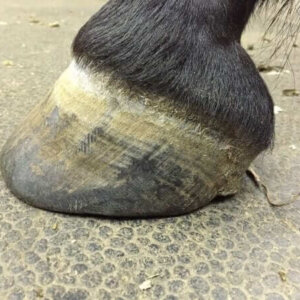
As the goes, ‘no hoof, no horse’.  There is another saying that goes along the lines of “a horse has 5 hearts”, which implies that not only do we have the normal heart, pumping blood, but each foot is actually a heart in function, also responsible for pumping blood up and out of the limb and back to the heart. The only way that this can be done is through proper hoof health and balance. The horse cannot ambulate on 3 legs, at least for a prolonged period of time, as compared to a dog or even a cat, so even a minor issue involving the foot can resonate throughout the body.  They are dependent on proper hoof health and balance, not only from a lameness point of view, but also overall health.

Growing a Solid Equine Hoof; Nutrition & Balance Read More »

Cruciate Injury in the Dog & Management

Lameness and discomfort are very common in our canine companions, especially as they get older, but cruciate ligament injuries often top the list.  Cruciate injuries are not specific to the older dog, but more common in any aged pet, especially if they are large breed and active.  Given the high prevalence of these types of injuries, the expense and hassle behind cage resting, we have to dig deeper to determine possible contributors and supplementation that can be implemented to improve the odds of a full recovery.

Cruciate Injury in the Dog & Management Read More »

whole oats.jpg

Cleaning Up the Equine Diet; Going Natural

The equine diet has become quite complex over the past 10 or so years.  Specialty feeds, complex supplements and other regimens have become the ‘normal’ for most horses, especially those in the competition arena.  On the same side of the coin, we also have an apparent rise in equine health conditions ranging from injuries and joint disease, to metabolic concerns and laminitis.  Considering this, one would have to ask whether if our current approaches are helping or more so hindering our progress?

Cleaning Up the Equine Diet; Going Natural Read More »

The Equine Diet and Picky Eaters; Thoughts and Concerns

One of my major concerns, as a veterinarian and researcher, is the inflammatory process and how it can dictate health and soundness.  This process is complex, involving many contributors, but diet is a major player.  As we investigate further the impact of gastrointestinal health on overall health and soundness, certain things begin to fall into place and become more obvious. The first item is diet, what we are feeding and how we define this. The second item of concern is the picky eater, which more than likely we have all encountered at one time or another.  Many owners feel this ‘pickiness’ is often ‘cute’ or a trait for a particular horse….but is there more to it?  Is this actually a symptom or sign of something larger?

The Equine Diet and Picky Eaters; Thoughts and Concerns Read More »

Top 5 Equine Conditions that Benefit from Cur-OST

The horse is a complex creature, subject to many of the same constraints that we put on ourselves, which in the end impacts their health and performance. Each horse is unique in their personality and constitution, which plays a major role in the exact contributors to their particular health and lameness concerns.  Diet, environment, stress, conformation and other influences each play a part, but in most health conditions, we do have one common denominator, which is inflammation.  In most, the inflammatory response is over expressed and if efforts are put into the equation to balance that response, then health and soundness can be easier to obtain.

Top 5 Equine Conditions that Benefit from Cur-OST Read More »

Nutrition Implications: Fact or Myth

As a veterinarian, I have to confess that after almost 20 years of clinical practice, I failed many of my patients due to lack of knowledge about proper nutrition. Being a student in veterinary school, honestly, there was not much focus on nutrition.  In some courses, there was mention of various nutrients, but not much pressure to use the diet as a tool to aid in disease management and recovery.  The good news is that after all of those years, I did ‘wake up’ and realize the importance and today, my approaches are much different for myself, our pets and those horses that I have contact with on a daily basis.   It wasn’t always this way and I discover more each day, which can be exciting!

Nutrition Implications: Fact or Myth Read More »

Soundness; A Broad Concept

Soundness.  It is a word that all horse owners are familiar with, but really, what does it mean?  By definition, soundness infers free from defect, injury, disease and in good condition, healthy and robust.  Is it a reality?  Is it really possible?  I think that in order to understand this concept further, we have to look at the horse, like ourselves, from multiple different perspectives.

Soundness; A Broad Concept Read More »

Sport Horse Lameness: Raising More Questions than Answers

Lameness and medical concerns in the sport horse have increased dramatically and likely are attributed to the increased use and performance level of these animals.  To keep up with medical demands, we have seen an increase in our diagnostic capabilities and technologies as veterinarians.  The concern that I have, as a clinician, is that the drive for these ever increasing technologies to aid in our diagnosis is rising, but it is not being counter driven by new therapies to manage the problems discovered.  We raise our capabilities, hopefully to detect problems earlier, but yet our intervention techniques have not changed, giving the same results in the end for the patient. I think at times, we are missing the obvious when it comes to assisting these patients.

Sport Horse Lameness: Raising More Questions than Answers Read More »