
stress

A Tale of 3 Selenium Levels: Connection with health and lameness

Selenium and vitamin E are often two of the most common supplemented antioxidants in horses, often attributed to poor soil conditions and likewise perceived deficiencies in the patient.  They are both important antioxidants and vital to cellular health, but all too often, we just supplement without justification or even more, we fail to see rationale for the need for supplementation.  Each horse is different and just because a region is perceived as deficient in selenium or a forage is low in vitamin E, does not always equate to the need for supplementation in every horse.  We need to look deeper, connect the dots and seek deeper, underlying problems which may be addressed adequately.

A Tale of 3 Selenium Levels: Connection with health and lameness Read More »
Joint Techno

Inflammation & Health

When you hear the word “inflammation”, the most common image is one of redness, swelling and pain.  Maybe a sprained ankle, tendon or even a blister.  While this is true for one form when view externally, it doesn’t always hold true.  Pain is a common association with inflammation, but doesn’t always have to be present for the inflammatory process to impact health on many levels.  Sometimes, it is like a smoldering fire, out of normal view, contributing to many health conditions in people, pets and horses.

Inflammation & Health Read More »

Anxiety Reduction and Improved Physical Cooperation in Horses Through the Use of Withania somnifera (Ashwagandha)

An Observational Clinical Study

by Tom Schell, D.V.M, CVCH, DABVP(eq)

Introduction:

Anxiety and stress in horses are a common problem in the equine industry, contributing to behavioral problems, training issues and poor performance.  In some cases, increased levels of anxiety are associated with health related issues such as gastric ulcers, which have been shown in some studies to impact a large percentage of horses, necessitating long term administration of anti-ulcer type of medications.

 Exact causes of stress in the horse can be hard to determine, but are often linked to herd issues, housing conditions, environmental factors, handling methods, training, transportation and competition.  Horses are very similar to humans in the respect that they respond better to consistency and routines on a day to day basis.  Any upset in that routine can contribute to stress formation which then manifests as behavioral issues.  Learned behaviors or responses to stress in prior environments can transfer forward even though the prior initiating factor has been resolved. 

Anxiety Reduction and Improved Physical Cooperation in Horses Through the Use of Withania somnifera (Ashwagandha) Read More »

Managing Stress in the Horse and Dog with Ashwaghanda

Stress. It impacts us all, no matter if we are a human, pet or a horse, leading to anxiety, behavioral problems and many negative health implications. It affects us all on different levels and considering the health effects, the best option would be to just eliminate stress, but that is not always possible.  The impact to our health is obvious and well known, but often we neglect to realize the same impact on our pets and equine companions.  Those effects are real, but the question comes as to what is the best way to manage them?  Let’s take a look at one promising option.

Managing Stress in the Horse and Dog with Ashwaghanda Read More »

The Competitive Horse and Stress

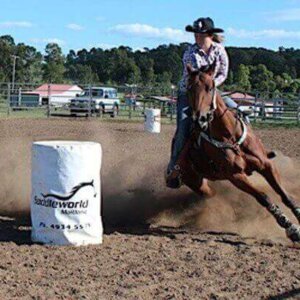
The equine athlete is no different from us, as a human species, whether we are an athlete or not in our daily lives.  As individuals and living beings, we are in-tuned, in most instances, as to how different stressers, diets and activities impact our health and general well being.  For instance, we may know that spicy food may upset our stomachs or create a sense of heat in our bodies.  Or we may understand that over-exertion, whether physically or mentally, drains us of vital energy.  Given these apparent observations, why is it that we can listen to our own bodies and heed warnings, but when it comes to our equine companions, often we do not?

The Competitive Horse and Stress Read More »