
Tom Schell

Assisting the Geriatric Canine Patient

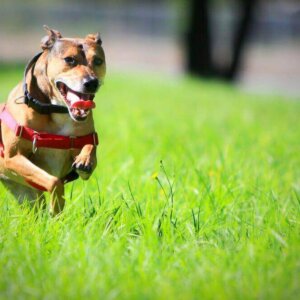
We all age, including our canine companions.  The goal is to age gracefully.  Quality of life is far more important than quantity of life, although both would be ideal, right?  Is it possible to improve not only quality but also longevity?  The answer to this is yes, but the right approach needs to be taken, making it more of a lifestyle than a passing fad or just a regimen. Our canine pets depend on us to make the right choices.  The more understanding we have, the more informed we are in the choices we make.

Assisting the Geriatric Canine Patient Read More »

Equine Back Issues; Understanding & Better Management

A pain in the back; SI problems, neck stiffness and generalized back pain. Back issues and complaints in the horse are quite common, leading to lost work, poor attitudes and overall moderate difficulty in management.  Current therapies are often unrewarding, especially long term, as the main cause or root is often overlooked.  Through a better understanding of both anatomy, physiology and contributors, management becomes easier and the horse more responsive without the long term need for medications or injections.

Equine Back Issues; Understanding & Better Management Read More »

Lyme, Anaplasmosis, EPM in the Horse: Relapses, Thoughts and Theories

The opposite of health is disease and in the horse, we have many chronic and likewise frustrating health conditions.  Many include lameness as a result of direct joint or soft tissue damage, which continue to inflict pain and lameness on the patient as a normal course of the condition.  In other cases, we deal with the increasing incidence of Lyme disease, Anaplasmosis and EPM, which in an of themselves can be frustrating due to the often high recurrence rate in certain patient groups.  Given this group of chronic diseases, which often come with hefty ongoing medical costs and variable outcomes, we need to step back and really evaluate the conditions and how the patient is responding if we are to come up with better solutions.

Lyme, Anaplasmosis, EPM in the Horse: Relapses, Thoughts and Theories Read More »

Chronic Obstructive Pulmonary Disease In The Horse

Spring is upon us and with the increase in pollen and other allergens, those horses with prior respiratory allergies can flare, creating a life of misery for them and their owners.  Respiratory conditions impact a large percentage of horses, contributing to health problems ranging from poor performance to complete debilitation.  Chronic obstructive pulmonary disease is one of the most common respiratory conditions affecting the horse, which can be frustrating to manage.  Just like other health conditions, the more we know and the earlier we intervene, often the prognosis is improved and management made easier.

Chronic Obstructive Pulmonary Disease In The Horse Read More »

Nutrition Implications: Fact or Myth

As a veterinarian, I have to confess that after almost 20 years of clinical practice, I failed many of my patients due to lack of knowledge about proper nutrition. Being a student in veterinary school, honestly, there was not much focus on nutrition.  In some courses, there was mention of various nutrients, but not much pressure to use the diet as a tool to aid in disease management and recovery.  The good news is that after all of those years, I did ‘wake up’ and realize the importance and today, my approaches are much different for myself, our pets and those horses that I have contact with on a daily basis.   It wasn’t always this way and I discover more each day, which can be exciting!

Nutrition Implications: Fact or Myth Read More »

Managing Gastric Ulcers

Are you or your horse an antacid junkie? Stomach or gastric ulcers are a common condition impacting horses, people and even pets sometimes.  We see commercials regarding antacids and ‘acid blockers’ all of the time and horse owners are exposed to these medication way too often, being an unfortunate part of many horse’s daily routines.  For some people, it is no different and many of the commercials seen make it seem like it is the ‘in’ thing to do to take or give these medications.  If it is as prevalent in today’s horse world and for people as we are made to believe, then we have a problem.  If we have a problem, then we need to understand the problem in order to remedy it or at least improve it.

Managing Gastric Ulcers Read More »

Thoroughbred Tendon Injury Recovery

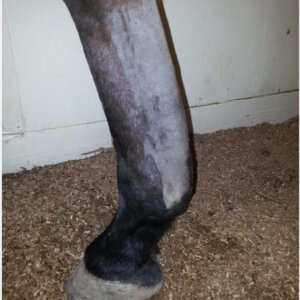
Tendon Injury management can be challenging, often with a tremendous investment of time and money.  After 20 years of veterinary practice, utilizing traditional methods of management, I am a firm believer in providing for the tissue that is injured and thus, creating the ideal environment for cellular repair and recovery.  The results tend to be more reliable, quicker and the patient seems to do better in the long term. I feel it is critical to control the inflammatory response and provide proper nutrients, which then opens the door for healing.  Here is one case, amongst many, that demonstrates a fairly simple approach with dramatic results in a short period of time.

Thoroughbred Tendon Injury Recovery Read More »

Equine Recurrent Uveitis

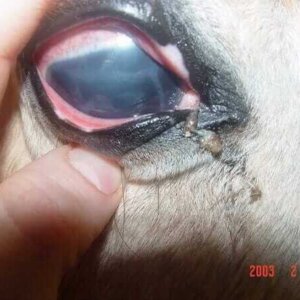
Equine recurrent uveitis (ERU) is unfortunately a common condition in horses, impacting up to 7% of farms with at least one horse affected.  ERU is considered one of the most common causes of blindness in the horse and seems to impact many breeds, but with certain predilections to the Appaloosa and Paint breeds.  The condition is very complex with much to be learned and understood in terms of pathophysiology, but treatment options can offer some help in managment and preservation of vision.

Equine Recurrent Uveitis Read More »