Tom Schell

Joint Techno

Inflammation & Health

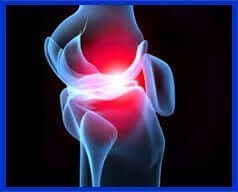
When you hear the word “inflammation”, the most common image is one of redness, swelling and pain.  Maybe a sprained ankle, tendon or even a blister.  While this is true for one form when view externally, it doesn’t always hold true.  Pain is a common association with inflammation, but doesn’t always have to be present for the inflammatory process to impact health on many levels.  Sometimes, it is like a smoldering fire, out of normal view, contributing to many health conditions in people, pets and horses.

Inflammation & Health Read More »

Navicular Disease In the Horse

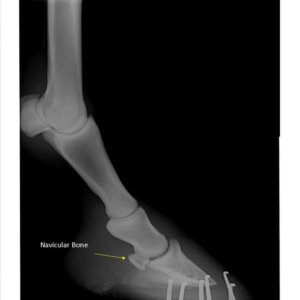
Equine Navicular Disease has many names, including Navicular Syndrome, caudle heel pain as well as podotrochleosis.  The condition is all too common to many horse owners, unfortunately, and can significantly impact performance, general movement and overall quality of life due to pain generally located in the heel region of the front feet.  Navicular Syndrome can be difficult to manage, especially in the advanced stage, but through a combination of approaches, including nutrion and herbs, the outcome for the patient can be improved.

Navicular Disease In the Horse Read More »

Teach Foot Image

Laminitis in the Horse

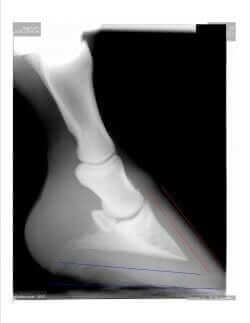
Laminitis is unfortunately a common condition affecting horses of any discipline or breed; whether if they are a Grand Prix Jumper or a backyard family companion.  This condition can be devastating in terms of overall health and is considered to be one of the main causes of euthanasia second to colic by many standards.  Laminitis is closely connected with a variety of clinical diseases, but the bottom line is there is uncontrolled inflammation on various levels, contributing to bone rotation and poor laminar health.  If we address these problems properly, then outcome can be improved dramatically in many cases.

Laminitis in the Horse Read More »

Eight Keys to Horse Health

Being an equine veterinarian, researcher of health and observer for over 18 years, I have come to some personal conclusions as to what seems to work when it comes to improving the health of our equine companions.  I feel that optimal health can be achieved, but that doesn’t always mean extravagant living conditions or huge expense.  In fact, some of the healthiest horses that I have seen as a veterinarian were those kept in large pastures with minimal man made housing, but plenty of food and attention by the owner.  

Eight Keys to Horse Health Read More »

Cushing’s Disease in the Horse (PPID)

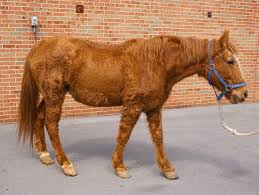
Cushing’s disease in the horse is becoming a more popular diagnosis, creating confusion with many horse owners.  Cushing’s disease or Pituitary Pars Intermedia Dysfunction (PPID) is most commonly diagnosed in the aged horse, but is increasingly become more common in perceived younger horses with concurrent usage of medications to control the condition.  The impact of Cushing’s disease in the equine community is large, with more cases being diagnosed as the lifespan of the horse increases, and can create many management frustrations for the horse owner.  The syndrome is very complex, leaving many unanswered questions but many roads for possible exploration to enhance quality of life for these patients.

Cushing’s Disease in the Horse (PPID) Read More »

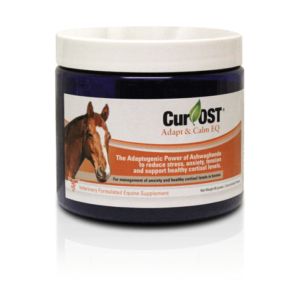
Anxiety Reduction and Improved Physical Cooperation in Horses Through the Use of Withania somnifera (Ashwagandha)

An Observational Clinical Study

by Tom Schell, D.V.M, CVCH, DABVP(eq)

Introduction:

Anxiety and stress in horses are a common problem in the equine industry, contributing to behavioral problems, training issues and poor performance.  In some cases, increased levels of anxiety are associated with health related issues such as gastric ulcers, which have been shown in some studies to impact a large percentage of horses, necessitating long term administration of anti-ulcer type of medications.

 Exact causes of stress in the horse can be hard to determine, but are often linked to herd issues, housing conditions, environmental factors, handling methods, training, transportation and competition.  Horses are very similar to humans in the respect that they respond better to consistency and routines on a day to day basis.  Any upset in that routine can contribute to stress formation which then manifests as behavioral issues.  Learned behaviors or responses to stress in prior environments can transfer forward even though the prior initiating factor has been resolved. 

Anxiety Reduction and Improved Physical Cooperation in Horses Through the Use of Withania somnifera (Ashwagandha) Read More »

Knee Osteoarthritis and Administration of Curcumin & Boswellia

Abstract.: A formulation containing Curcuma longa and Boswellia serrata extracts (CB formulation) was evaluated for safety and efficacy in osteoarthritic patients and directly compared with the selective COX-2 inhibitor, celecoxib. In total, 54 subjects were screened, 30 subjects were enrolled and 28 completed the study. The treatment was well tolerated and did not produce any adverse effect in patients, as judged by the vital signs, hemogram, liver and renal function tests. The CB formulation at 500 mg administered twice a day, was more successful than administering celecoxib 100 mg twice a day for symptom scoring and clinical examination. The formulation was found to be safe and no dose-related toxicity was found.

KIZHAKKEDATH, R., Clinical evaluation of a formula containing Curcuma longa and Boswellia serrata extracts in the management of knee osteoarthritis, Mol Med Rep, 8; 1542-48, 2013

Knee Osteoarthritis and Administration of Curcumin & Boswellia Read More »

Sport Horse Lameness: Raising More Questions than Answers

Lameness and medical concerns in the sport horse have increased dramatically and likely are attributed to the increased use and performance level of these animals.  To keep up with medical demands, we have seen an increase in our diagnostic capabilities and technologies as veterinarians.  The concern that I have, as a clinician, is that the drive for these ever increasing technologies to aid in our diagnosis is rising, but it is not being counter driven by new therapies to manage the problems discovered.  We raise our capabilities, hopefully to detect problems earlier, but yet our intervention techniques have not changed, giving the same results in the end for the patient. I think at times, we are missing the obvious when it comes to assisting these patients.

Sport Horse Lameness: Raising More Questions than Answers Read More »

Managing Stress in the Horse and Dog with Ashwaghanda

Stress. It impacts us all, no matter if we are a human, pet or a horse, leading to anxiety, behavioral problems and many negative health implications. It affects us all on different levels and considering the health effects, the best option would be to just eliminate stress, but that is not always possible.  The impact to our health is obvious and well known, but often we neglect to realize the same impact on our pets and equine companions.  Those effects are real, but the question comes as to what is the best way to manage them?  Let’s take a look at one promising option.

Managing Stress in the Horse and Dog with Ashwaghanda Read More »