
diet

Why Is My Horse Fat? A Guide to Equine Body Condition.

Why is my horse fat?  That’s a good question and one that I was asked routinely during annual preventative wellness checks on my patients.  It is also a question that I get asked in emails all too frequently.  I think it is a good question and for those that ask the question, it is a sign that they recognize that a problem exists, thus opening door for correction.  An overweight horse is not a sign of good health and over time, can lead to significant health problems and increased morbidity, not to mention mortality for some.  Seeing that the problem is present is the first step, but taking the following steps to conquer the issue at hand means that we must understand some basic concepts.  

Why Is My Horse Fat? A Guide to Equine Body Condition. Read More »

Gas, bloating and GI upset in Dogs

Our canine companions are no different than you or I, or for that matter horses.  We all have a gastrointestinal tract that sometimes can get out of whack, not functioning at desired levels, resulting in gas, diarrhea, bloating and even intermittent vomiting at times.  It can be difficult to contend with, especially in the middle of the night or if your pet is left unattended by day while you work, coming home to a mess.  Why does this happen and is there something we can do or not do to improve the situation?

Gas, bloating and GI upset in Dogs Read More »

shutterstock 460731100

Ears & Rears; Allergy Problems in Pets

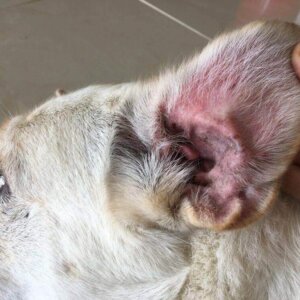
“Ears and Rears”, a common entry made by our technician or receptionist into the patient file pertaining to purpose of visit for that day.  In many cases, the problems came in two’s, implying pet problems with both ears and rear end, but in other times, we had a problem in just one of the two areas.  Ear and anal gland problems are very common in companion animal veterinary practice, each having their own distinct underlying causes and frustrations.  Although there is no remedy or ‘cure all’ that will totally eliminate these complaints, with more understanding, we can implement changes and even dietary or supplement regimens to produce easier management.

Ears & Rears; Allergy Problems in Pets Read More »

shutterstock 41961568

Canine Hip and Back Pain; Management Options

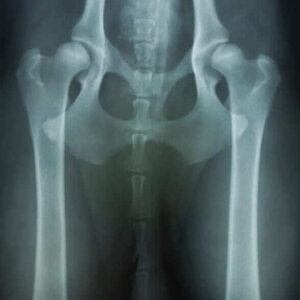
Our canine companions are not immune to joint concerns, but like us, they often live with day to day discomfort and pain.  They want to go, jump, play, but are limited in what they can do. The hips and even back are main sources of problems, creating moderate pain, limited range of motion and creating a modest dependence on pharmaceutical medications just to keep them moving.  Their problems are very similar to ours, as humans. We have choices and options which may provide a higher level of quality of life.  All we have to do is understand the process and see the possibilities.

Canine Hip and Back Pain; Management Options Read More »

The Equine Diet and Picky Eaters; Thoughts and Concerns

One of my major concerns, as a veterinarian and researcher, is the inflammatory process and how it can dictate health and soundness.  This process is complex, involving many contributors, but diet is a major player.  As we investigate further the impact of gastrointestinal health on overall health and soundness, certain things begin to fall into place and become more obvious. The first item is diet, what we are feeding and how we define this. The second item of concern is the picky eater, which more than likely we have all encountered at one time or another.  Many owners feel this ‘pickiness’ is often ‘cute’ or a trait for a particular horse….but is there more to it?  Is this actually a symptom or sign of something larger?

The Equine Diet and Picky Eaters; Thoughts and Concerns Read More »

Fats; Intake & Considerations in the Horse

When we think of fats in the horse’s diet, the first few things that come to mind are to improve the shine in a hair coat or to put weight on a horse in need. Although these are both true, there is much more to fats that what meets the eye and thus, a better understanding is needed.  Fats are valuable sources of energy and calories, but there are potentials downfalls as they impact health on many levels, and not every horse is in need.

Fats; Intake & Considerations in the Horse Read More »

Supplementation: What is the Goal and How to Achieve it.

The term ‘supplement’ can either be a noun or a verb, implying something that completes or ehances something else, or in the case of a verb context, to add an extra element.  In the health industry, we really use the term in both contexts or sometimes both at the same time.  We may supplement our horse’s or even our own diet with a supplement, using both the noun and verb, which is commonplace.  However, what are we really doing and what are we trying to achieve?  Through a better understanding, we may be able to arrive at that goal a little sooner and even reduce end costs in the long term.

Supplementation: What is the Goal and How to Achieve it. Read More »

Nutrition Implications: Fact or Myth

As a veterinarian, I have to confess that after almost 20 years of clinical practice, I failed many of my patients due to lack of knowledge about proper nutrition. Being a student in veterinary school, honestly, there was not much focus on nutrition.  In some courses, there was mention of various nutrients, but not much pressure to use the diet as a tool to aid in disease management and recovery.  The good news is that after all of those years, I did ‘wake up’ and realize the importance and today, my approaches are much different for myself, our pets and those horses that I have contact with on a daily basis.   It wasn’t always this way and I discover more each day, which can be exciting!

Nutrition Implications: Fact or Myth Read More »

Evaluation of Berry and Citrus Herb Formula in Equine Metabolic Patients

Evaluation of Berry and Citrus Herb Formula in Equine Metabolic Patients

Tom Schell, D.V.M., CVCH

Introduction:

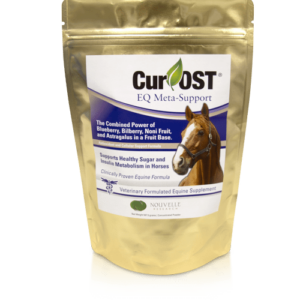
Metabolic syndrome is a term used referring to a group of risk factors that contribute to an increased risk of heart disease, diabetes and stroke in people. In horses, metabolic syndrome is closely connected with poor sugar metabolism, insulin dysfunction, circulatory disease and laminitis.  In both groups, the risk factor that is most prominent is obestity or excessive body condition, which then tends to increase the risk for development of other factors and further contribute to patient health deterioration.  

Evaluation of Berry and Citrus Herb Formula in Equine Metabolic Patients Read More »