
inflammation

Equine Navicular Syndrome and Heel Pain; New Perspectives

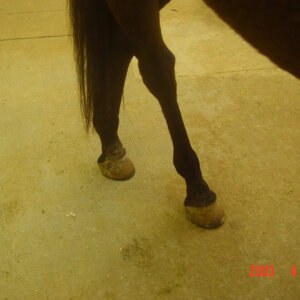
Navicular syndrome is a very common problem in the equine industry, likely impacting 30% or more of horses, dependent on the breed and discipline. We see this condition commonly in the western disciplines but also to varying degrees in other sports, including jumping, dressage and even racing. There are many factors that contribute to the problem, which can make it difficult at times to manage.  All too often, though, we tend to wait until the condition has progressed, with irreversible damage, before we properly intervene.  With a better understanding, hopefully we can recognize the condition sooner, see contributing factors and produce better results for the patient in the long term.

Equine Navicular Syndrome and Heel Pain; New Perspectives Read More »
IMG_0089.JPG

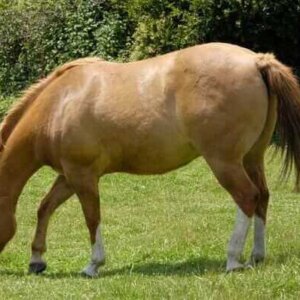
Growing a Solid Equine Hoof; Nutrition & Balance

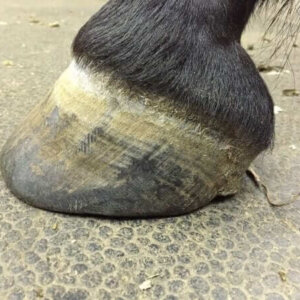
As the goes, ‘no hoof, no horse’.  There is another saying that goes along the lines of “a horse has 5 hearts”, which implies that not only do we have the normal heart, pumping blood, but each foot is actually a heart in function, also responsible for pumping blood up and out of the limb and back to the heart. The only way that this can be done is through proper hoof health and balance. The horse cannot ambulate on 3 legs, at least for a prolonged period of time, as compared to a dog or even a cat, so even a minor issue involving the foot can resonate throughout the body.  They are dependent on proper hoof health and balance, not only from a lameness point of view, but also overall health.

Growing a Solid Equine Hoof; Nutrition & Balance Read More »

iStock_000009288114Small - Copy - Copy.jpg

A Deeper Look at Metabolic Syndrome, Insulin Resistance and Diabetes

Metabolic syndrome is a name applied to a collective group of risk factors that raise the risk of other health conditions.  In humans, we see a rise in the risk of heart disease, stroke, diabetes, vascular disorders, neurodegenerative conditions and many others.  In horses, we generally see an increased risk for insulin resistance, Cushing’s disease and laminitis. The term ‘metabolic’ actually implies an alteration in cellular metabolism or biochemical processes, but is often quickly associated with a state of increased body weight or obesity.  The syndrome is actually complex, involving many pathways, but as with other conditions, with a more indepth understanding comes better management.

A Deeper Look at Metabolic Syndrome, Insulin Resistance and Diabetes Read More »

A Tale of 3 Selenium Levels: Connection with health and lameness

Selenium and vitamin E are often two of the most common supplemented antioxidants in horses, often attributed to poor soil conditions and likewise perceived deficiencies in the patient.  They are both important antioxidants and vital to cellular health, but all too often, we just supplement without justification or even more, we fail to see rationale for the need for supplementation.  Each horse is different and just because a region is perceived as deficient in selenium or a forage is low in vitamin E, does not always equate to the need for supplementation in every horse.  We need to look deeper, connect the dots and seek deeper, underlying problems which may be addressed adequately.

A Tale of 3 Selenium Levels: Connection with health and lameness Read More »

The Equine Diet and Picky Eaters; Thoughts and Concerns

One of my major concerns, as a veterinarian and researcher, is the inflammatory process and how it can dictate health and soundness.  This process is complex, involving many contributors, but diet is a major player.  As we investigate further the impact of gastrointestinal health on overall health and soundness, certain things begin to fall into place and become more obvious. The first item is diet, what we are feeding and how we define this. The second item of concern is the picky eater, which more than likely we have all encountered at one time or another.  Many owners feel this ‘pickiness’ is often ‘cute’ or a trait for a particular horse….but is there more to it?  Is this actually a symptom or sign of something larger?

The Equine Diet and Picky Eaters; Thoughts and Concerns Read More »

Chronic Obstructive Pulmonary Disease In The Horse

Spring is upon us and with the increase in pollen and other allergens, those horses with prior respiratory allergies can flare, creating a life of misery for them and their owners.  Respiratory conditions impact a large percentage of horses, contributing to health problems ranging from poor performance to complete debilitation.  Chronic obstructive pulmonary disease is one of the most common respiratory conditions affecting the horse, which can be frustrating to manage.  Just like other health conditions, the more we know and the earlier we intervene, often the prognosis is improved and management made easier.

Chronic Obstructive Pulmonary Disease In The Horse Read More »

Leaky Gut Syndrome; Health & Soundness

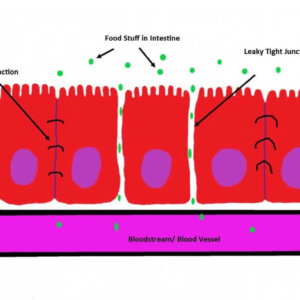
The ‘gut’.  Homebase to the immune system, source of digestion and nutrient assimilation.  We all know how an upset or disagreeing stomach can drain us of our energy, vitality and overall zeal for certain functions, but did you know that the gut may actually be involved with many clinical diseases and even impact joints, soundness and allergies?  It’s true and something we have lightly investigated in a clinical study with horses.  The connections have been known for a long time in human research data and there are indications in the equine industry as well, but all to often, we fail to recognize the problem or address it properly.

Leaky Gut Syndrome; Health & Soundness Read More »

Headshaking in the Horse; Cause and Management

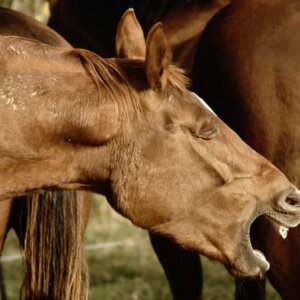
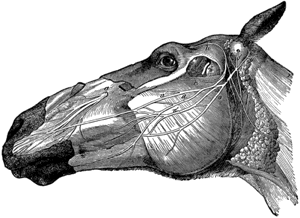
Headshaking in the horse is a common problem and often affecting up to 30% of patients to variable levels, creating high frustration for the horse owner. The exact cause of this condition can be variable from patient to patient and thus treatment and results can be variable. Headshaking can vary in regards to presentation from simple flaring of the nostrils, flipping of the nose, rubbing the nose, snorting often, sneezing and even variable degrees of overt head shaking. Given the wide range of presentation,potential causes, lack of consistent treatment response and frustration factor for the horse owner, headshaking deserves some investigation for better management options. As is my character, let’s dig into what we know regarding headshaking and see if we can not only make sense of it, but also discover potentials for therapy.

Headshaking in the Horse; Cause and Management Read More »

EPM and the Immune System; A clinical perspective

Do you have a horse or know of one impacted by EPM? Equine Protozoal Myeloencephalitis (EPM) is unfortunately a common disease in the horse, impacting hundreds, if not thousands every year.  The outcomes for each case can vary dramatically, resulting in a huge expenditure for the owner and an uncertain future for the horse.  Give the huge variability in outcomes despite newer treatment options, one is left asking ‘why’ and what more can be done to aid in prevention and therapy to help increase the success rates. Maybe it is time to rethink our approach to these cases in order to maximize the outcome.

EPM and the Immune System; A clinical perspective Read More »