
laminitis

Top 5 Equine Conditions that Benefit from Cur-OST

The horse is a complex creature, subject to many of the same constraints that we put on ourselves, which in the end impacts their health and performance. Each horse is unique in their personality and constitution, which plays a major role in the exact contributors to their particular health and lameness concerns.  Diet, environment, stress, conformation and other influences each play a part, but in most health conditions, we do have one common denominator, which is inflammation.  In most, the inflammatory response is over expressed and if efforts are put into the equation to balance that response, then health and soundness can be easier to obtain.

Top 5 Equine Conditions that Benefit from Cur-OST Read More »
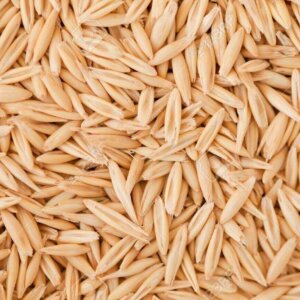
Carbohydrates; Intakes & Considerations in the Horse

When we think of carbohydrates, we think sugar and we also think energy, as the two are often interconnected.  We all need energy and our equine companions are no different, thus carbohydrates are an essential part of the diet, but in excess and dependent on the form ingested, problems can develop and impact overall health.  In order to gain a better understanding of carbohydrates and feeding in the horse, we have to understand some basic principles. Utilized properly, carbohydrates can be a useful means of gaining and sustaining energy needs for every horse.

Carbohydrates; Intakes & Considerations in the Horse Read More »

Evaluation of Berry and Citrus Herb Formula in Equine Metabolic Patients

Evaluation of Berry and Citrus Herb Formula in Equine Metabolic Patients

Tom Schell, D.V.M., CVCH

Introduction:

Metabolic syndrome is a term used referring to a group of risk factors that contribute to an increased risk of heart disease, diabetes and stroke in people. In horses, metabolic syndrome is closely connected with poor sugar metabolism, insulin dysfunction, circulatory disease and laminitis.  In both groups, the risk factor that is most prominent is obestity or excessive body condition, which then tends to increase the risk for development of other factors and further contribute to patient health deterioration.  

Evaluation of Berry and Citrus Herb Formula in Equine Metabolic Patients Read More »

Managing Equine Metabolic Syndrome & Insulin Resistance

Equine metabolic syndrome and insulin resistance have been a common problem but seem to be potentialy increasing in frequency or incidence over the past decade.  As the number of cases of EMS or insulin resistance increases, we are ultimately left with determining the best means of controlling these horses for the long term.  There have been proposed many theories of management, but not every approach works in every patient, often leaving us much to be desired.

Managing Equine Metabolic Syndrome & Insulin Resistance Read More »

Teach Foot Image

Laminitis in the Horse

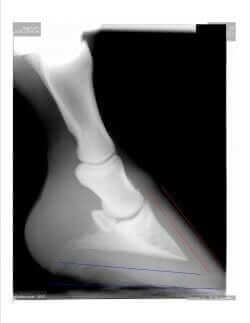
Laminitis is unfortunately a common condition affecting horses of any discipline or breed; whether if they are a Grand Prix Jumper or a backyard family companion.  This condition can be devastating in terms of overall health and is considered to be one of the main causes of euthanasia second to colic by many standards.  Laminitis is closely connected with a variety of clinical diseases, but the bottom line is there is uncontrolled inflammation on various levels, contributing to bone rotation and poor laminar health.  If we address these problems properly, then outcome can be improved dramatically in many cases.

Laminitis in the Horse Read More »

Cushing’s Disease in the Horse (PPID)

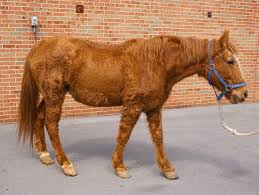
Cushing’s disease in the horse is becoming a more popular diagnosis, creating confusion with many horse owners.  Cushing’s disease or Pituitary Pars Intermedia Dysfunction (PPID) is most commonly diagnosed in the aged horse, but is increasingly become more common in perceived younger horses with concurrent usage of medications to control the condition.  The impact of Cushing’s disease in the equine community is large, with more cases being diagnosed as the lifespan of the horse increases, and can create many management frustrations for the horse owner.  The syndrome is very complex, leaving many unanswered questions but many roads for possible exploration to enhance quality of life for these patients.

Cushing’s Disease in the Horse (PPID) Read More »

Laminitis in Horses; Utilizing Cur-OST Formulas to Aid in Recovery

Laminitis in horses has been proposed to be one of the most common causes of euthanasia in horses next to colic.  The condition comes about due to a variety of factors with some horses being more predisposed than others and the condition has varying levels of presentation in terms of severity.  Ultimately, we have to ask ourselves why the condition occurs, what is going on at a cellular level and what can we do better to manage the problem and improve the outcome for the patient?  In my many years of managing laminitis, I have found that the outcomes are best when we address the needs of the patient through nutritional type of resources, which I believe aid in better long term management and often improved overall health.  Here is my approach when it comes to laminitis in horses for optimal outcomes.

Laminitis in Horses; Utilizing Cur-OST Formulas to Aid in Recovery Read More »

Horse Vaccination Strategies and Tips

If you own a horse, one of the most important things you can do to maintain health is vaccinations, but it can also be a costly endeavor.  Everyone seems to have a strategy or recommendation, but the question is ‘what is right for your horse?’.  Well, that depends on many factors including location, exposure to other horses as well as general risk factors.  Another thing to consider is that vaccines are not without harm and over administration of vaccines can prove to be harmful in some circumstances.  Let’s explore the options and recommendations.

Horse Vaccination Strategies and Tips Read More »