
Cur-OST

shutterstock 41961568

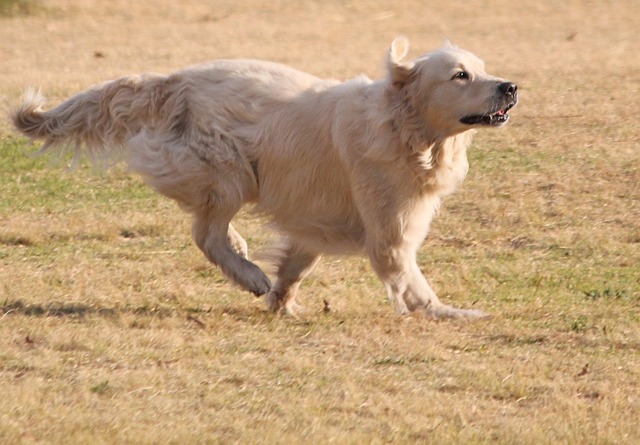
Canine Hip and Back Pain; Management Options

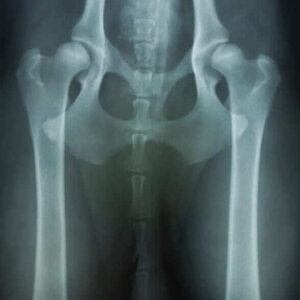
Our canine companions are not immune to joint concerns, but like us, they often live with day to day discomfort and pain.  They want to go, jump, play, but are limited in what they can do. The hips and even back are main sources of problems, creating moderate pain, limited range of motion and creating a modest dependence on pharmaceutical medications just to keep them moving.  Their problems are very similar to ours, as humans. We have choices and options which may provide a higher level of quality of life.  All we have to do is understand the process and see the possibilities.

Canine Hip and Back Pain; Management Options Read More »

Anhidrosis in the Horse; Thoughts and Considerations

Anhidrosis is a common problem, impacting upwards of 10% of horses, usually subjected to high heat and humidity for prolonged periods of time.  It is an important condition, as its presence can impact stamina, recovery and overall ability by the owner to exercise their horse.  Sweat production is vital for the body, not only to aid in detoxication, but also in thermoregulation, so when the horse cannot sweat, they can quickly overheat.  Solutions are sporadic, with some of these therapies helping a few horses, while others do not benefit.  Hopefully, if we take a deeper look into this condition, we can arrive at some potential options to improve management.

Anhidrosis in the Horse; Thoughts and Considerations Read More »

Cruciate Injury in the Dog & Management

Lameness and discomfort are very common in our canine companions, especially as they get older, but cruciate ligament injuries often top the list.  Cruciate injuries are not specific to the older dog, but more common in any aged pet, especially if they are large breed and active.  Given the high prevalence of these types of injuries, the expense and hassle behind cage resting, we have to dig deeper to determine possible contributors and supplementation that can be implemented to improve the odds of a full recovery.

Cruciate Injury in the Dog & Management Read More »

Stress; The Battery of Life and Impact on Health, Fatigue and Recovery

Stress is something that we all encounter daily whether if we are animal or human.  Stressors are the reason as to why we adapt and hopefully overcome new challenges, whether if that is a new task at work, a new exercise routine or environmental changes.  It is what hopefully makes us stronger, more resilient. Those stressors create a stress response in our body, which then we hopefully adapt to over time.  The question is how much stress is our body supposed to handle, or that body of our equine companions or even pets, and how does prolonged stressor exposure impact health, recovery and even soundness or injury?

Stress; The Battery of Life and Impact on Health, Fatigue and Recovery Read More »

A Tale of 3 Selenium Levels: Connection with health and lameness

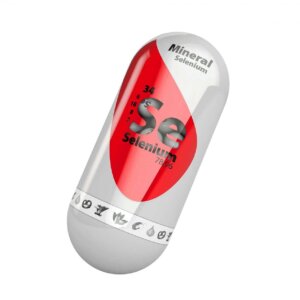
Selenium and vitamin E are often two of the most common supplemented antioxidants in horses, often attributed to poor soil conditions and likewise perceived deficiencies in the patient.  They are both important antioxidants and vital to cellular health, but all too often, we just supplement without justification or even more, we fail to see rationale for the need for supplementation.  Each horse is different and just because a region is perceived as deficient in selenium or a forage is low in vitamin E, does not always equate to the need for supplementation in every horse.  We need to look deeper, connect the dots and seek deeper, underlying problems which may be addressed adequately.

A Tale of 3 Selenium Levels: Connection with health and lameness Read More »

Curcumin; Bioavailability, Absorption and Efficacy

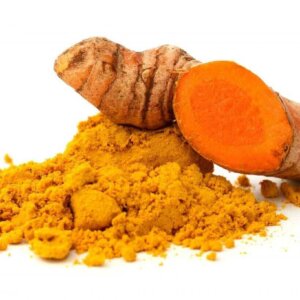
Curcumin is one of the most heavily researched herbs due to its potential to impact the inflammatory process in several models. One key concern, in some studies, is bioavailability or absorption, which has likewise raised concerns as to its true efficacy in regards to health conditions.  Are these concerns truly founded or is it all hype? Experience tells us that it is a little of both.

Curcumin; Bioavailability, Absorption and Efficacy Read More »

whole oats.jpg

Cleaning Up the Equine Diet; Going Natural

The equine diet has become quite complex over the past 10 or so years.  Specialty feeds, complex supplements and other regimens have become the ‘normal’ for most horses, especially those in the competition arena.  On the same side of the coin, we also have an apparent rise in equine health conditions ranging from injuries and joint disease, to metabolic concerns and laminitis.  Considering this, one would have to ask whether if our current approaches are helping or more so hindering our progress?

Cleaning Up the Equine Diet; Going Natural Read More »

The Equine Diet and Picky Eaters; Thoughts and Concerns

One of my major concerns, as a veterinarian and researcher, is the inflammatory process and how it can dictate health and soundness.  This process is complex, involving many contributors, but diet is a major player.  As we investigate further the impact of gastrointestinal health on overall health and soundness, certain things begin to fall into place and become more obvious. The first item is diet, what we are feeding and how we define this. The second item of concern is the picky eater, which more than likely we have all encountered at one time or another.  Many owners feel this ‘pickiness’ is often ‘cute’ or a trait for a particular horse….but is there more to it?  Is this actually a symptom or sign of something larger?

The Equine Diet and Picky Eaters; Thoughts and Concerns Read More »

Equine Gastric Ulcers; A new approach for an old problem

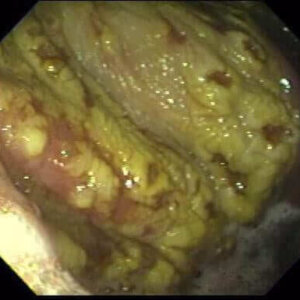
Stomach ulcers in horses are quite common, actually becoming more of a problem that in the past for our equine patients.  It has been estimated that upwards of 80% of all horses, including sedentary and those in training, exhibit gastric ulcers but not all are clinically evident.  In some studies, it has been demonstrated that just by moving a horse into a barn or training facility, the incidence of stomach ulcers increases beyond 80% and upwards to almost 100%.  Some cases of ulcers are obvious with typical clinical signs, while others are more ‘quiet’ in nature and often only diagnosed incidentally.  The sad part is that for many of these horses, they live a life on constant medications to control the clinical symptoms, which not only is not solving the problem but also costing the owner money and even, based on some studies, potentially inflicting harm.  We need to dig deeper to find better ways of managing this problem.

Equine Gastric Ulcers; A new approach for an old problem Read More »