

Cur-OST

Case Study: Equine Stifle and SI Lameness

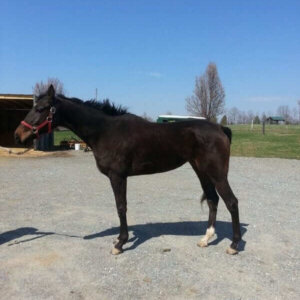
Lameness in the horse can come in all different forms and severities.  One common source of lameness is the stifle but in many of these cases, it is also common to have problems either higher up or lower in the limb often tied in with conformational flaws or even trauma.  The saccroiliac region in the lower back or hip region is also a common source of discomfort, either alone or in conjunction with other problems.  The saccroiliac (S/I) joint is the area where the pelvic bone called the Ileum joins up to the Saccrum of the lower back.  The junction of the two is actually termed a joint, being held together by tough fibrous tissue, but still demonstrates some movement as the horse travels.  In a recent case presented for rehabilitation, we actually had apparent S/I problems in addition to chronic stifle lameness. When combined with unhealthy feet, severe thrush and sole pain, the case proved to be a real challenge.

Case Study: Equine Stifle and SI Lameness Read More »

Why is my horse always lame? Solving the Mystery

One of the most common problems in the equine athlete and pleasure horse is recurring lameness, which can be equally frustrating for owner, rider and veterinarian.  At one moment, the issue may seem resolved, bringing relief, but then it may recur or maybe even a new problem develops. Being a veterinarian, horse owner and involved in the rehabiliation of horses, I understand the frustration but have come to realize that there is much to discover, learn and reveal when it comes to seeing the ‘entire’ horse in these situations. More often than not, the primary problem the horse is presented for is actually not the main issue, but in order to see the true problem, we need to step back and look at several factors. Despite us wanting to fix everything in one fail swoop, often the issue is more complex than we would like it to be.

Why is my horse always lame? Solving the Mystery Read More »

Easy Keepers, Metabolic Syndrome and Lameness; What is the Connection?

Easy keepers.  Most horse owners know what this term means almost instantaneously when they hear it.  In general terms, it refers to a horse that has a tendency to carry more weight and gain weight easily, often with just the sight of a green pasture.  Almost any horse can be an easy keeper, but there are certain breeds that are more prone including Quarter Horses, Pony breeds, draft breeds and even some warmbloods.  Many of these easy keepers progress to metabolic syndrome and even insulin resistance over time, each a stage of continued deterioration at a cellular level.  In many situations, these same horses tend to have concurrent lameness issues ranging from joint degeneration to tendon issues and laminitis, but also many also seemed more prone to allergies, respiratory problems and even eye issues.  What is the connection and why do many standard therapies fail to provide relief for this particular group of horses?

Easy Keepers, Metabolic Syndrome and Lameness; What is the Connection? Read More »

Inflammation and Impact on Health; Beyond Pain and Swelling

When we think of inflammation, it is often in the form of pain and swelling.  Joint pain, stiffness, a wound or cut, sore back, sore throat or even an ear infection.  All of this is true and these conditions are associated with inflammation, but the overall concept goes much deeper, often being unrecognized clinically but all too closely tied with other health conditions.  It is an important concept to grasp, even on the most basic level, as with this understanding, we have opportunities to intervene which may give us more opportunities to manage and even prevent certain conditions.

Inflammation and Impact on Health; Beyond Pain and Swelling Read More »

Immune Support and the Horse

Does your horse have a healthy and strong immune system?  How do you know?  The most common problems we associate with a poorly functioning immune system are recurrent infections and even allergies, but what about other conditions?  Even in the case of infections, we most often attribute a poor immune response to more severe infections that may even result in hospitalization, but are there other clues or more subtle situations that may indicate that we have a problem?  The immune system is complex and involved in more bodily processes than one might just realize.

Immune Support and the Horse Read More »

Nutrition Implications: Fact or Myth

As a veterinarian, I have to confess that after almost 20 years of clinical practice, I failed many of my patients due to lack of knowledge about proper nutrition. Being a student in veterinary school, honestly, there was not much focus on nutrition.  In some courses, there was mention of various nutrients, but not much pressure to use the diet as a tool to aid in disease management and recovery.  The good news is that after all of those years, I did ‘wake up’ and realize the importance and today, my approaches are much different for myself, our pets and those horses that I have contact with on a daily basis.   It wasn’t always this way and I discover more each day, which can be exciting!

Nutrition Implications: Fact or Myth Read More »

Which Cur-OST formula is right for my horse?

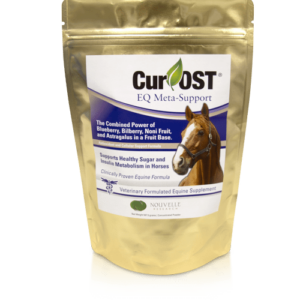
Our Cur-OST® formulas target a healthy inflammation response and were created originally to benefit Dr. Schell’s equine patients, helping to improve overall health, joint mobility, performance and reduce aches & pains. There are many joint and health supplements available for horses, but the goal with our formulas is to first provide natural ingredients and herbs that are effective in their actions and second, provide the highest levels based on research to get those results.  The choices between the Cur-OST® equine formulas may appear confusing but really, there is a strategy for each formula.  The most common question we have is ‘which formula is right for my horse?’.  The answer is not straight forward considering that each horse is an individual, but hopefully we can outline the goals and uses for each formula.

Which Cur-OST formula is right for my horse? Read More »

Evaluation of Berry and Citrus Herb Formula in Equine Metabolic Patients

Evaluation of Berry and Citrus Herb Formula in Equine Metabolic Patients

Tom Schell, D.V.M., CVCH

Introduction:

Metabolic syndrome is a term used referring to a group of risk factors that contribute to an increased risk of heart disease, diabetes and stroke in people. In horses, metabolic syndrome is closely connected with poor sugar metabolism, insulin dysfunction, circulatory disease and laminitis.  In both groups, the risk factor that is most prominent is obestity or excessive body condition, which then tends to increase the risk for development of other factors and further contribute to patient health deterioration.  

Evaluation of Berry and Citrus Herb Formula in Equine Metabolic Patients Read More »

Ear Infections in Pets; How to Manage

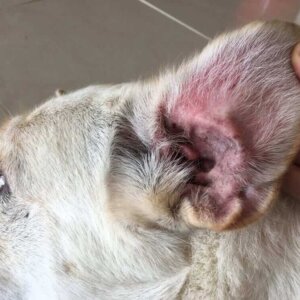
Scratching, digging and rubbing their head on the ground can all be signs of an ear infection in your pet.  The problem can be not only irritating for the pet, but also for the owner as it can often mean a loss of sleep at night for both parties.  Ear infections are more common in dogs than cats with many causes and predisposing conditions.  In most cases, the problems are easily resolved with medications, but in others, the condition can be recurrent, happening over and over again.  The good news is that there are options!

Ear Infections in Pets; How to Manage Read More »