
horse

Thoroughbred Tendon Injury Recovery

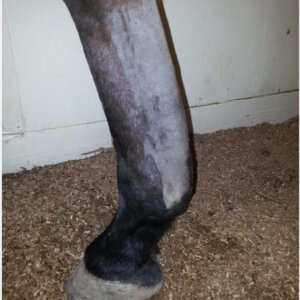
Tendon Injury management can be challenging, often with a tremendous investment of time and money.  After 20 years of veterinary practice, utilizing traditional methods of management, I am a firm believer in providing for the tissue that is injured and thus, creating the ideal environment for cellular repair and recovery.  The results tend to be more reliable, quicker and the patient seems to do better in the long term. I feel it is critical to control the inflammatory response and provide proper nutrients, which then opens the door for healing.  Here is one case, amongst many, that demonstrates a fairly simple approach with dramatic results in a short period of time.

Thoroughbred Tendon Injury Recovery Read More »

Equine Recurrent Uveitis

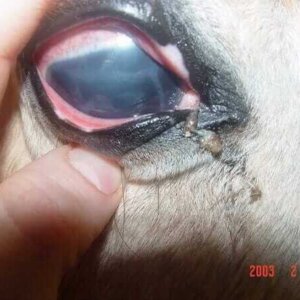
Equine recurrent uveitis (ERU) is unfortunately a common condition in horses, impacting up to 7% of farms with at least one horse affected.  ERU is considered one of the most common causes of blindness in the horse and seems to impact many breeds, but with certain predilections to the Appaloosa and Paint breeds.  The condition is very complex with much to be learned and understood in terms of pathophysiology, but treatment options can offer some help in managment and preservation of vision.

Equine Recurrent Uveitis Read More »

Soundness; A Broad Concept

Soundness.  It is a word that all horse owners are familiar with, but really, what does it mean?  By definition, soundness infers free from defect, injury, disease and in good condition, healthy and robust.  Is it a reality?  Is it really possible?  I think that in order to understand this concept further, we have to look at the horse, like ourselves, from multiple different perspectives.

Soundness; A Broad Concept Read More »

Navicular Disease In the Horse

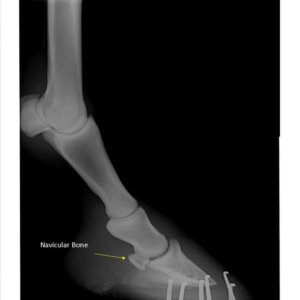
Equine Navicular Disease has many names, including Navicular Syndrome, caudle heel pain as well as podotrochleosis.  The condition is all too common to many horse owners, unfortunately, and can significantly impact performance, general movement and overall quality of life due to pain generally located in the heel region of the front feet.  Navicular Syndrome can be difficult to manage, especially in the advanced stage, but through a combination of approaches, including nutrion and herbs, the outcome for the patient can be improved.

Navicular Disease In the Horse Read More »

Teach Foot Image

Laminitis in the Horse

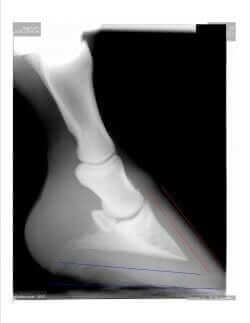
Laminitis is unfortunately a common condition affecting horses of any discipline or breed; whether if they are a Grand Prix Jumper or a backyard family companion.  This condition can be devastating in terms of overall health and is considered to be one of the main causes of euthanasia second to colic by many standards.  Laminitis is closely connected with a variety of clinical diseases, but the bottom line is there is uncontrolled inflammation on various levels, contributing to bone rotation and poor laminar health.  If we address these problems properly, then outcome can be improved dramatically in many cases.

Laminitis in the Horse Read More »

Eight Keys to Horse Health

Being an equine veterinarian, researcher of health and observer for over 18 years, I have come to some personal conclusions as to what seems to work when it comes to improving the health of our equine companions.  I feel that optimal health can be achieved, but that doesn’t always mean extravagant living conditions or huge expense.  In fact, some of the healthiest horses that I have seen as a veterinarian were those kept in large pastures with minimal man made housing, but plenty of food and attention by the owner.  

Eight Keys to Horse Health Read More »