
pain

Equine Sports Injury Management For Optimal Outcomes

Sports related injuries are common in equine competitions and training.  They are expected to occur and are likely, due to the extreme stress placed upon joints and other supporting structures, often exceeding normal limitations.  The injuries can be a short term nuisance or many prove to be long term, career ending problems that drag on for years.  How we approach these injuries from both a preventative and therapeutic perspective can dictate the outcome and often improve our odds of success.  In order to understand the options before us, we have to understand what is taking place within that animal.

Equine Sports Injury Management For Optimal Outcomes Read More »

Equine Back Issues; Understanding & Better Management

A pain in the back; SI problems, neck stiffness and generalized back pain. Back issues and complaints in the horse are quite common, leading to lost work, poor attitudes and overall moderate difficulty in management.  Current therapies are often unrewarding, especially long term, as the main cause or root is often overlooked.  Through a better understanding of both anatomy, physiology and contributors, management becomes easier and the horse more responsive without the long term need for medications or injections.

Equine Back Issues; Understanding & Better Management Read More »

Cur-OST EQ Green; General Support & Prevention with a Boost

Inflammation is one of the biggest contributors to overall poor health and lameness, including joint and tendon related problems.  Prevention is one of the keys to controlling problems down the road in the performance horse.  If we can control the issues and the process, we can maximize gains hopefully with little issues in the near future. Ideally, our goal is to balance inflammation and provide nutrients to benefit the entire body.

Cur-OST EQ Green; General Support & Prevention with a Boost Read More »

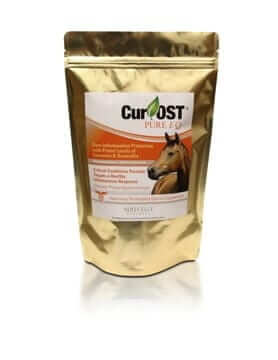
Cur-OST EQ Pure; Critical Support for Critical Conditions

Joint degeneration, tendon injuries, laminitis, navicular conditions and even back pain can limit any horse, but especially those competitive athletes.  In many cases, these conditions have progressed further than we would like, resulting in marked changes to the joints and even damage to tendons or ligaments, often becoming unresponsive to traditional therapies and medications.  The bottom line contributor is the inflammatory process, which impacts cell health, circulation, cell function and overall health.  Sometimes, those patients require a higher level of support to ease their discomfort and improve overall performance in what ever they do.

Cur-OST EQ Pure; Critical Support for Critical Conditions Read More »

Equine Navicular Syndrome and Heel Pain; New Perspectives

Navicular syndrome is a very common problem in the equine industry, likely impacting 30% or more of horses, dependent on the breed and discipline. We see this condition commonly in the western disciplines but also to varying degrees in other sports, including jumping, dressage and even racing. There are many factors that contribute to the problem, which can make it difficult at times to manage.  All too often, though, we tend to wait until the condition has progressed, with irreversible damage, before we properly intervene.  With a better understanding, hopefully we can recognize the condition sooner, see contributing factors and produce better results for the patient in the long term.

Equine Navicular Syndrome and Heel Pain; New Perspectives Read More »

shutterstock 41961568

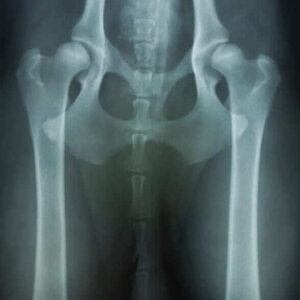
Canine Hip and Back Pain; Management Options

Our canine companions are not immune to joint concerns, but like us, they often live with day to day discomfort and pain.  They want to go, jump, play, but are limited in what they can do. The hips and even back are main sources of problems, creating moderate pain, limited range of motion and creating a modest dependence on pharmaceutical medications just to keep them moving.  Their problems are very similar to ours, as humans. We have choices and options which may provide a higher level of quality of life.  All we have to do is understand the process and see the possibilities.

Canine Hip and Back Pain; Management Options Read More »

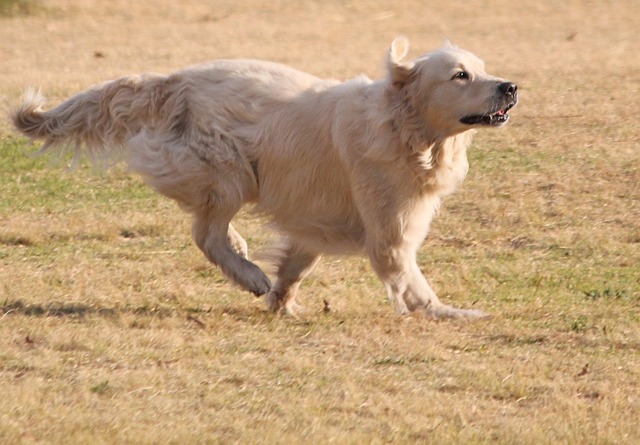
Cruciate Injury in the Dog & Management

Lameness and discomfort are very common in our canine companions, especially as they get older, but cruciate ligament injuries often top the list.  Cruciate injuries are not specific to the older dog, but more common in any aged pet, especially if they are large breed and active.  Given the high prevalence of these types of injuries, the expense and hassle behind cage resting, we have to dig deeper to determine possible contributors and supplementation that can be implemented to improve the odds of a full recovery.

Cruciate Injury in the Dog & Management Read More »

Laminitis in Horses; Utilizing Cur-OST Formulas to Aid in Recovery

Laminitis in horses has been proposed to be one of the most common causes of euthanasia in horses next to colic.  The condition comes about due to a variety of factors with some horses being more predisposed than others and the condition has varying levels of presentation in terms of severity.  Ultimately, we have to ask ourselves why the condition occurs, what is going on at a cellular level and what can we do better to manage the problem and improve the outcome for the patient?  In my many years of managing laminitis, I have found that the outcomes are best when we address the needs of the patient through nutritional type of resources, which I believe aid in better long term management and often improved overall health.  Here is my approach when it comes to laminitis in horses for optimal outcomes.

Laminitis in Horses; Utilizing Cur-OST Formulas to Aid in Recovery Read More »

Equine Conformation and Impact on Soundness

Proper conformation in the horse is vital to athletic performance, but it doesn’t always have to be a limiting factor.  In my years of practicing veterinary medicine and performing pre-purchase examinations, I have yet to encounter a ‘perfect’ horse in terms of conformation by book definition.  Every horse is an individual with conformation often based on genetics passed on from dam or sire.  We have to accept things for the way they are, understand that there will be some limitations but also that certain flaws will predispose more to injuries.  We can try to minimize these occurrences, but an understanding as to why they happen is important.

Equine Conformation and Impact on Soundness Read More »