

Equine Articles
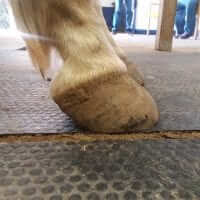
As the saying goes, “no hoof, no horse.” The horse’s hoof is a vital component to soundness. Poor health and nutrition are often reflective in […]
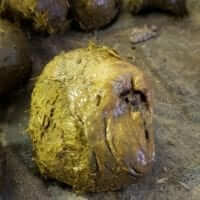
The digestive tract of the horse is vast, encompassing about 100 ft in length from the stomach to the rectum. Each section of the gastrointestinal […]
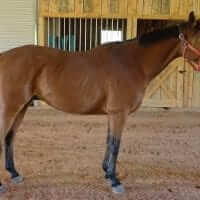
Topline and cold back problems are common in the equine industry. In many cases, the problem is more cosmetic in the horse, i.e., loss of […]
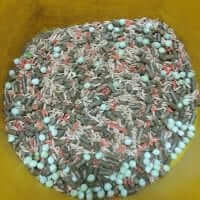
This is the question of the century for many horse owners. Determining what to feed your horse may seem like a complicated topic, but really […]

The horse is just as predisposed to health ailments or lameness associated conditions as any human or athlete. A high majority of these health and […]
The horse is just as prone to anxiety as we are, believe it or not. Anxiety in the horse impacts their performance and ability to […]

Does my horse need a supplement? A very common question that is presented to me as a veterinarian and also one that I see on […]
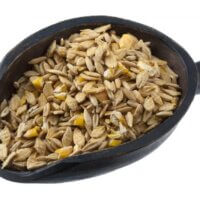
Grain. They are a staple in the horse community. Processed or commercially available grain products are the most popular and there seems to be a […]
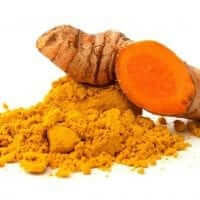
Turmeric and curcumin are two popular terms when it comes to herbs and health in the horse, which are really almost one in the same. […]
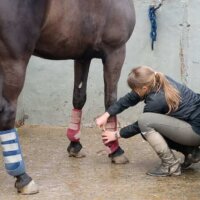
A tendon and ligament injury is common in the equine industry, impacting upwards of 30% of horses. Despite the injuries being common, most often result […]

Equine health and soundness is critical for the competition athlete. It is something that many struggle with during the competitive season, which then often translates […]
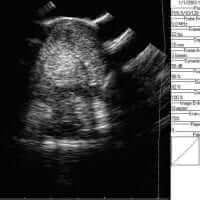
Sports related injuries are common in equine competitions and training. They are expected to occur and are likely, due to the extreme stress placed upon joints and other supporting structures, often exceeding normal limitations. The injuries can be a short term nuisance or many prove to be long term, career ending problems that drag on for years. How we approach these injuries from both a preventative and therapeutic perspective can dictate the outcome and often improve our odds of success. In order to understand the options before us, we have to understand what is taking place within that animal.
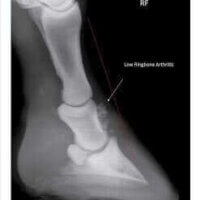
Joint injections are all too common in today’s equine world and one of the main reasons why I opted to go to the opposite side and seek alternative options, as a veterinarian. The most common reason for their use is joint disease, mainly arthritis, with the intent or purpose to alleviate pain and prolong or improve performance. In many, their use is warranted while in others, not so much. In either case, if we do decide to go that route, with an injection, we need to understand the pros, the cons and what options are before us to help extend the effects of those injections. After all, they are not cheap and do not come without harm.
Why is my horse fat? That’s a good question and one that I was asked routinely during annual preventative wellness checks on my patients. It is also a question that I get asked in emails all too frequently. I think it is a good question and for those that ask the question, it is a sign that they recognize that a problem exists, thus opening door for correction. An overweight horse is not a sign of good health and over time, can lead to significant health problems and increased morbidity, not to mention mortality for some. Seeing that the problem is present is the first step, but taking the following steps to conquer the issue at hand means that we must understand some basic concepts.
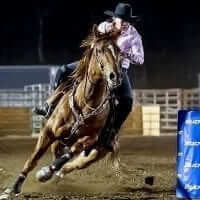
The performance of an equine athlete is vitally important whether if we are talking Dressage, Jumping, Western Pleasure, Barrel Racing or on track TB or QH racing. One of the biggest determinants of performance is stamina. Without stamina, almost always, performance is reduced on various levels. So, what determines one or the other? What dictates performance in that equine athlete and considering that stamina is involved, what options do we have to improve the outcome?

Itching, scratching, coughing, red eyes, hair loss and oozing skin bumps….all related to allergic conditions in the horse and a common occurrence. Current approaches to therapy are often complex and unrewarding, leading to the allergic condition often becoming worse with every passing year, fluctuating from season to season. All of these clinical signs are evidence of a deeper seated problem in the patient, and through a better understanding, we can take a different approach which often yields better management. As with most issues though, in regards to chronic disease, we have to see the root, the cause, and not so much focus on the clinical signs that are present.
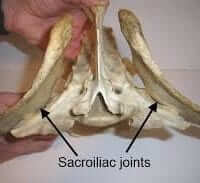
A pain in the back; SI problems, neck stiffness and generalized back pain. Back issues and complaints in the horse are quite common, leading to lost work, poor attitudes and overall moderate difficulty in management. Current therapies are often unrewarding, especially long term, as the main cause or root is often overlooked. Through a better understanding of both anatomy, physiology and contributors, management becomes easier and the horse more responsive without the long term need for medications or injections.

The most urgent situation is always the one at hand, or in sight, right there and then. We have to attend to emergency situations, whether if that is an acute lameness, injury, wound, health ailment or even colic situation. They are dire, in most situations, and must be dealt with accordingly, however, once through that crisis situation, we need to step back and really look at the big picture, hopefully isolating or honing in on the cause of why things happened or developed. This often entails looking past the obvious problems at hand, whether if that be a lameness or even a health situation, looking deeper and hopefully arriving at insight and wisdom. Can we do this? As easy at is sounds, it is not generally well accepted to look beyond the obvious problem at hand. Certainly a challenge for many horse owners, people themselves or even veterinarians.
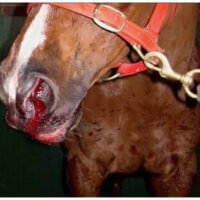
EIPH or exercise induced pulmonary hemorrhage is unfortunately a common condition in equine athletes, affecting upwards of 40% of race horses and an estimated 62% of QH’s involved in racing, including other disciplines such as barrel racing.2 It is one of the main causes of decreased performance and also one of the more common respiratory problems found in competitive equine athletes, especially when involving epistaxis or nasal bleeding. EIPH can be very frustrating for some trainers, due to the fact that a specific cause in each case is often not determined and response to therapies can decrease over time. In many instances, the equine athletes are able to maintain higher levels of performance, while other are forced to retire. As with many equine health conditions, with a better understanding, sometimes we can implement therapy options to improve the outcomes, helping to keep performance to a high level.
Nutrition is vital to health, impacting the immune response, muscle and tendon health, hoof, skin and even vision. It is critical to almost every facet and function of the body, including energy production, which is at the root source. As important as it is, nutrition is not always easy to achieve as forage sources can vary from season to season and demands by the body can equally fluctuate. Many horse owners rely on supplemental vitamin/mineral products which are actually synthetic nutrient derivatives, which do not provide the same value as those obtained from real food. Our horses want and demand better!
A healthy immune response is critical to health for our equine companions on many levels. An increased incidence of infection from bacterial to viruses are more common in those horses under high stress loads or poor nutritional planes, due to reduced function and health of the immune response. However, the immune response is involved not just in infections, but overall health, healing, digestive function and even the process of inflammation. Boosting and supporting the immune response to benefit the entire body has never been more complete, until now!
Ulcers and hindgut problems are rampant in the equine community, resulting in high use of medications and dramatically impacting performance. Most owner continue to battle these problems on a daily basis with little results gained, even with high use of costly medications. In many instances, we are literally chasing our own tails, as even with these therapies, we are not addressing the main problem. Are there better options available?
Cur-OST EQ Green; General Support & Prevention with a Boost
Inflammation is one of the biggest contributors to overall poor health and lameness, including joint and tendon related problems. Prevention is one of the keys to controlling problems down the road in the performance horse. If we can control the issues and the process, we can maximize gains hopefully with little issues in the near future. Ideally, our goal is to balance inflammation and provide nutrients to benefit the entire body.
Joint degeneration, tendon injuries, laminitis, navicular conditions and even back pain can limit any horse, but especially those competitive athletes. In many cases, these conditions have progressed further than we would like, resulting in marked changes to the joints and even damage to tendons or ligaments, often becoming unresponsive to traditional therapies and medications. The bottom line contributor is the inflammatory process, which impacts cell health, circulation, cell function and overall health. Sometimes, those patients require a higher level of support to ease their discomfort and improve overall performance in what ever they do.
Joint problems, back problems and tendon/ligament issues are quite common in the performance horse. The countless problems often lead to high expense in regards to maintenance through injections, medications and other remedies, more often than not leaving the owner desiring more for their companion. All of these problems are part of the business and secondary to stress forces put upon the body on a cellular level. The bottom line contributor is the inflammatory process and if that process can be controlled or better managed, the outcome will be markedly enhanced, not only improving the health and performance of that athlete, but also improving the bottom financial outlay.
An overweight body condition in the horse can lead to many clinical problems, contributing to insulin resistance, metabolic syndrome, Cushing’s syndrome and even predisposing to other health ailments including laminitis. The effects can be devastating for both patient and owner, creating huge expense and constant maintenance. Remedies are plentiful in the equine industry, but many just cover up problems while doing little to correct the underlying condition.
Anxiety is a common problem in the equine industry, often connected right back to stress on a physical and emotional level. There are many contributors to the anxiety, ranging from diet to training, including natural personality tendencies in some breed of horses. Anxiety and stress contribute to a host of health problems in the horse and even impact performance, leading to many owners struggling to find solutions.
Stamina and performance are two key issues on the competitive horse owner’s minds. Those two factors can make all of the difference and separate your horse out from the others in any competition, whether if it is barrel racing, flat racing, dressage or jumping. There are many contributors to enhancing stamina and performance, some of which are inherent in that horse, but others can be manipulated to enhance results! It’s not really about “Performance Enhancement” but more so about “Health Restoration“. If we restore health and cell function, then performance and stamina soon follow.
Inflammation is rampant in the equine patient, impacting joints, allergies and even gut health. Solutions are endless, but can often result in owners utilizing multiple products, often without results. The Cur-OST® EQ Total Support may be the answer you are seeking, providing a solution in a single product, impacting joints, allergies, gut concerns and even eye complaints!
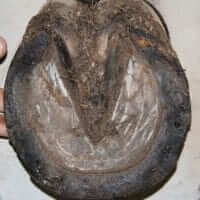
The equine foot is one of the most common sources of lameness, often contributing up to 80% in most cases. Many times, the pain originates in the foot then transfering up the limb to create secondary lameness concerns. Three of the most common sources of frustration and lameness in the foot are abscesses, bruises and thrush, not excluding white line disease. They are very common but continue to plague many horses on a daily basis, proving difficult to remedy at times. As with most cases, with a better understanding of the conditions, we stand a better chance of success in regards to management.